Start a Mystery Shopping Business
and Earn Extra Income
Have you ever been paid to eat at a restaurant, test-drive a new vehicle, tour a model home, or spend a weekend in a hotel?
That is exactly what mystery shoppers do.
I have been mystery shopping for years and have completed assignments at restaurants, hotels, automobile dealerships, apartment communities, and new home developments. Companies hire mystery shoppers to evaluate customer service, sales presentations, and the overall customer experience.
For someone looking for flexible side income, mystery shopping can be an enjoyable way to earn extra money while helping businesses improve their service.
One important thing to remember is that you should never have to pay a legitimate mystery shopping company to join. When someone asks for money upfront or promises unusually large payments for very little work, consider it a warning sign.
On this website, I will show you how to get started, avoid common mistakes, and find legitimate mystery shopping opportunities.
Meet Mystery Don

Hi, I’m Mystery Don.
For years, I have worked as a mystery shopper, completing assignments everywhere from casual restaurants and fast-food drive-throughs to luxury hotels, automobile dealerships, apartment communities, and new home developments.
One week, I might evaluate several drive-through restaurants. The next week, I could be touring a luxury apartment community or test-driving a new vehicle. That variety is one of the things I have always enjoyed about mystery shopping. No two weeks are exactly alike.
Along the way, I have learned which assignments are worth pursuing, which companies provide good opportunities, and—just as important—how to avoid the scams that trap many beginners.
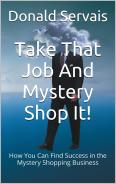
When you are ready to learn more, my book, Take That Job and Mystery Shop It!, walks you through the process step by step. It includes information about finding legitimate companies, completing assignments, writing reports, and avoiding companies that charge unnecessary membership fees.
Can Mystery Shopping Fit Your Schedule?
One reason I enjoy mystery shopping is that it fits around my schedule.
When you have 15 to 30 minutes available during the day, you may be able to complete a quick assignment. Some shops, such as new home visits or automobile dealership evaluations, take longer. However, many restaurant, retail, and convenience-store assignments can be completed fairly quickly.
Smaller assignments may pay only $10 or $15, but the income can add up over time. Some shops also include reimbursement for meals, purchases, or other required expenses.
Before accepting assignments, use my Mystery Shopper Checklist to make sure you are properly prepared and understand the most common mistakes to avoid.
What Kinds of Assignments are Available?
Mystery shopping assignments come in many forms.
You may have the opportunity to:
- Test-drive a luxury vehicle
- Tour a new home or apartment community
- Eat at a restaurant
- Stay at a hotel
- Visit a retail store
- Evaluate a fast-food drive-through
- Make a recorded or unrecorded telephone inquiry
- Check displays, prices, or merchandise
Different assignments require shoppers from different age groups, backgrounds, and lifestyles.
A college student might be asked to visit a campus bookstore, take an admissions tour, or evaluate the enrollment process. Retirees may qualify for senior living evaluations or visits to communities designed for older adults.
Bilingual shoppers may also find additional opportunities, especially when a company needs a customer interaction completed in another language.
Over the years, I have worked with dozens of legitimate mystery shopping companies. Some have provided assignments regularly, while others have offered only occasional work. That is why I recommend registering with several reputable companies instead of relying on just one.
Watch Out for Mystery Shopping Scams
One of the biggest mistakes beginners make is responding to messages that promise hundreds of dollars for cashing a check, purchasing gift cards, or wiring money.
Do not do it.
In a typical fake-check scam, the check may initially appear to clear. The scammer then tells you to send part of the money elsewhere. Later, the bank discovers that the check is counterfeit. The deposited funds are removed from your account, and you may be responsible for the money you sent.
Legitimate mystery shopping companies normally use secure websites for applications, assignments, reports, and payment information. They should not send you an unexpected large check and ask you to transfer money to someone else.
They should not require you to pay a membership fee simply to register for assignments, either.
Finding Legitimate Mystery Shopping Companies
The Mystery Shopping Professionals Association, commonly known as MSPA, is a well-known industry organization. Its website includes information about mystery shopping and participating service providers.
My book, Take That Job and Mystery Shop It! also includes companies I have personally worked with, along with examples of the assignments I completed for them.
I do not recommend companies that charge shoppers merely for the privilege of joining. You should not have to pay a company to become eligible for ordinary mystery shopping assignments.
Throughout this website, I may use the terms mystery shopper, secret shopper, and ghost shopper. These terms are sometimes used to describe similar types of work, although mystery shopper is the most common term in the industry.
Why Businesses Use Mystery Shoppers
Mystery shopping is not simply about getting paid to visit businesses.
Companies need responsible shoppers who can accurately describe what happened during a visit, telephone call, or sales presentation. A well-written report helps management understand how customers are being treated and whether employees are following company procedures.
The goal is usually to identify training opportunities, improve customer service, and help the business operate more effectively.
That is the real purpose of mystery shopping.
Video Mystery Shopping
Video mystery shopping can be a higher-paying option, but it requires additional preparation.
During these assignments, the shopper uses approved hidden video equipment to record a sales presentation or customer interaction. A company may use the recording to evaluate its sales process and help employees improve their performance.
Video assignments are not always intended to catch employees doing something wrong. In many cases, the recording is used as a training tool.
These assignments may pay more than standard written-report shops, but shoppers must understand the instructions, equipment, privacy requirements, and applicable laws before accepting them.
Audits and Other Types of Work
Once you are comfortable with mystery shopping, you may also consider retail audits and merchandising assignments.
During an audit, you enter a business with a checklist of items to inspect. You might verify prices in a grocery store, count products, check whether a promotional display has been installed, or confirm that certain printers or electronics are available for customers to see.
Audits are different from traditional mystery shops because you may identify yourself to store employees. They can still provide another useful source of flexible income.
Mystery Shopping and Taxes
Like other small-business activities, mystery shopping may involve legitimate business deductions.
Mileage is often one of the largest expenses for active shoppers. Certain supplies, equipment, required purchases, and other business-related costs may also qualify, depending on your circumstances and current tax rules.
Tax rules can change, so always keep accurate records and consult a qualified tax professional for advice about your own situation.
FAQ: Mystery Shopping Basics
How much money can I make?
Many basic assignments pay between $10 and $25, although payment varies widely by company, location, difficulty, and reporting requirements. Some shops also include reimbursement for meals, hotel stays, purchases, or other expenses.
Specialized assignments, including some video shops, apartment visits, and new home evaluations, may pay significantly more.
For example, I have earned $200 or more for a relatively short apartment assignment. Opportunities like that are not available everywhere, and they should not be treated as typical, but you do not necessarily have to be a longtime shopper to qualify.
How do mystery shoppers get paid?
Payment methods vary by company. Common methods include direct deposit, PayPal, and mailed checks.
Payment schedules also vary. Some companies pay within a few weeks, while others may take 30 to 60 days or longer after the assignment and report have been approved.
Always review the company’s payment terms before accepting a shop.
What do I need to get started?
Most shoppers need:
- A computer or smartphone
- Reliable internet access
- Dependable transportation for in-person assignments
- Good observation skills
- Clear writing skills
- The ability to follow detailed instructions
- A reliable way to track assignments, payments, mileage, and expenses
The most important requirement is attention to detail. Even a small missed instruction can cause a report to be rejected.
What mistakes do beginners make?
Common beginner mistakes include:
- Paying to join questionable companies
- Missing important assignment instructions
- Forgetting required photographs, names, times, or receipts
- Submitting incomplete or unclear reports
- Waiting too long to write the report
- Applying to only one company
- Accepting more work than they can complete on time
Read every assignment carefully before accepting it.
Do I have to pay to become a mystery shopper?
No. Legitimate mystery shopping companies generally do not charge shoppers a fee simply to register and apply for assignments.
Some independent training, certification, books, or equipment may cost money, but purchasing those items should not be a requirement for joining an ordinary mystery shopping company.
When someone asks for money upfront, sends you an unexpected check, or promises unusually high earnings for almost no work, treat it as a warning sign and read my Mystery Shopper Scam Warning page first.
Ready to Learn More?
I hope this website helps you get started with confidence.
Take your time, explore the articles, use the Mystery Shopper Checklist, and learn how legitimate assignments work before accepting your first shop.
When you are ready for a more detailed guide, Take That Job and Mystery Shop It! explains the process step by step and shares lessons I have learned from my own assignments.
You are also welcome to submit the contact form if you have questions. I am always happy to help new mystery shoppers avoid common mistakes and get started the right way.
The mystery shopping business is always looking for new faces to visit different places.
Buy the Kindle eBook (instant download)
Buy the Paperback (best field manual)
Buy the Hardcover (durable reference copy)
- Becoming A Mystery Shopper
- If you're interested in becoming a mystery shopper, you can apply for assignments for FREE with many different companies. Click here to learn more about the business.
- video mystery shopping
- Learn how video mystery shopping works from an experienced mystery shopper, including hidden-camera assignments, equipment problems, new-home shops, pay and common mistakes.
- Mystery Shopping Companies
- There are over 200 legitimate mystery shopping companies that you can apply for assignments. Learn more about it here.
- Mystery Shopper Checklist
- Use this mystery shopper checklist to prepare for assignments, including internet access, a smartphone, transportation, purchase money, receipts, recordkeeping, mileage, and payment tracking.
- Mystery Shopping Sample Report
- Here is a mystery shopping sample report from a restaurant that I did in Texas in 2009. It gives you an idea of what mystery shop companies and business owners want to know about their business.
- Mystery Shopper Scam
- Learn how to recognize a mystery shopper scam, including fake checks, gift cards, unexpected job offers, and other warning signs that can cost you money.
- MSPA
- The Mystery Shopping Providers Association (MSPA) is a professional trade organization for mystery shoppers. They have workshops and DVDs that help shoppers become eligible for higher paying shops.
- My Story
- My story of starting a mystery shopping business began when I was in dire need of some extra income. Learn how the business can help you.
- Contact Me
- Mystery shopping is a great way to get ahead in your financial world. I encourage you to contact me to learn how it can help you.
- Privacy Policy
- Privacy policy
- Mystery Shopping In Nevada
- Mystery shopping in Nevada has some important set of laws you need to know about.
- benefits of mystery shopping
- Learn the many benefits of mystery shopping as a side hustle.
- Income Tax Deductions
- Learn how income tax deductions for mystery shoppers work, including Schedule C, mileage, business equipment, home-office expenses, reimbursements, and recordkeeping.
- Mystery Video Shopping
- Learn how to find video mystery shopping assignments, prepare a sample video, evaluate opportunities, and build a reputation as a dependable shopper.
- Mystery Shopping
- If you're looking for a side hustle, look at the mystery shopping business. We're always looking for new faces to visit different places.
- Mystery Shopper Jobs
- There are many mystery shopper jobs available for people who are looking to make some extra money. Click here to learn more about the business.
- telephone mystery shopping
- Telephone mystery shopping is a great way for people to stay at home and make some extra income. It's great for work at home moms (wahm).
- Restaurant Mystery Shopper: How You Can Get Started
- Learn how to become a restaurant mystery shopper, including what to observe, ordering requirements, timings, receipts, reimbursement, reports, and fine-dining assignments.
- Types of Audit Opinions
- Learn how you can earn extra money by doing different types of audit opinions as a side hustle.
- pay off credit card debt
- Mystery shopping can help you pay off credit card debt. Learn how some people work this business full and part time.
- job opportunities for retirees
- If you're looking for job opportunities for retirees, take look at mystery shopping. Work your own hours.
- Work-At-Home Moms
- Mystery shopping can help Work-At-Home Moms earn extra income when a baby is crying. Learn more here.
- Take That Job And Mystery Shop It!
- Is mystery shopping real? Yes. Learn how it works, what to do first, and how to avoid scams. Available in Kindle, paperback, and hardcover.
- Mystery Shopping
- Mystery shopping is a great way to earn extra income in your spare time.
- Hotel Mystery Shoppers
- Learn what hotel mystery shoppers do, including reservations, check-in, room evaluations, employee interactions, dining, valet service, reimbursement, and detailed reporting requirements.