Can College Students Do
Mystery Shopping?
If you're a college student looking for extra income, can college students do mystery shopping?
The short answer is yes.
In fact, college students can be excellent mystery shoppers because many assignments can be scheduled around classes instead of the other way around. You decide which shops to accept and when you want to work.
That's very different from a traditional part-time job that may expect you to work every Tuesday and Thursday evening, whether you have a test the next morning or not.
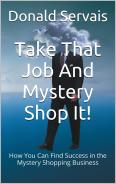
Want more help getting started? My book, Take That Job And Mystery Shop It!, walks you through finding assignments, completing shops, writing reports, and avoiding many of the mistakes new shoppers make.
Why Mystery Shopping Fits Many College Schedules

One of the biggest advantages of mystery shopping is flexibility.
If you don't have time this week because of midterm exams, simply don't accept any assignments. When your schedule opens up again, you can start shopping.
That flexibility appealed to many of the college students I met over the years. A student can keep accepting assignments after a semester ends instead of looking for a temporary job.
I've also seen students use mystery shopping to help offset everyday expenses. A restaurant assignment may reimburse the cost of a meal. A convenience store shop might pay a fee in addition to reimbursing a small purchase. Those assignments won't pay your tuition, but they can put some extra money in your pocket.
Just remember that mystery shopping is generally a side hustle, not a full-time income.
Start With Simple Assignments
If you're new to mystery shopping, don't begin with the most complicated shop on the job board.
Look for simple assignments close to campus or near your apartment. Fast-food restaurants, coffee shops, retail stores, banks, office supply stores, and telephone shops are often good places to start.
After you've completed several assignments, you'll become more comfortable following instructions, taking notes, and writing reports.
Save the more complicated jobs for later.
For example, new home and apartment shops often pay more because they require longer visits and much more detailed reports. Some new home assignments even require you to use an assumed name, telephone number, and email address.
Those are excellent assignments once you've gained some experience, but they probably shouldn't be your first shop.
The Report Is Just as Important as the Visit
Many first-time shoppers think the assignment ends when they walk out the door.
Actually, the report is a major part of the job.
You'll need to remember employee names, times, conversations, and other details. Some reports contain only a few narrative questions, while others require much more writing.
If you're organized and accustomed to writing papers for college classes, you'll probably adapt quickly.
I recommend taking notes as soon as you leave the business. Waiting until later that evening to remember everything isn't always the best plan.
Mystery Shopping Can Build Useful Skills
Mystery shopping offers benefits beyond earning extra income. The business also helps you develop skills that will help your career.
You'll learn how to follow detailed instructions, observe what's happening around you, meet deadlines, write clearly, and communicate professionally with schedulers and editors.
Those are valuable habits no matter what career you eventually choose.
If you're majoring in marketing, business, communications, journalism, hospitality, or criminal justice, you'll also gain a better understanding of customer service and how businesses evaluate employee performance.
Don't Let Mystery Shopping Interfere with School
One piece of advice I'd give every college student is this:
Your education comes first.
There will always be another mystery shop.
If you're overloaded with classes, preparing for finals, or trying to complete a major project, don't accept more assignments than you can comfortably handle.
Mystery shopping should work around your education—not compete with it.
I've known shoppers who accepted too many assignments simply because the fees looked attractive. Before long, they were rushing from one location to another and staying up late trying to finish reports.
That's not the goal.
Watch Out for Scams
College students are frequent targets for online scams because they're often looking for flexible work.
Never pay a company to become a mystery shopper. Be skeptical of offers promising hundreds of dollars for a simple assignment or asking you to deposit a large check and send part of the money somewhere else.
Legitimate mystery shopping companies pay you for completing assignments. They don't require you to purchase a starter kit or pay an application fee.
If an offer doesn't feel right, take a few minutes to research the company before responding.
Is Mystery Shopping Right for You?
So, can college students do mystery shopping?
Absolutely.
If you're dependable, pay attention to details, follow instructions, and don't mind writing reports, mystery shopping can be a flexible way to earn extra income while you're in school.
Start with a few simple assignments, learn the process, and build your experience one shop at a time.
You may discover that it's one of the easiest side hustles to fit around a busy college schedule.
Can College Students Do Mystery Shopping? - Here's the Next Step
If this article "Can college students do mystery shopping" helped you, read these next:
- How to Start Mystery Shopping as a Complete Beginner
- How to Choose Your First Mystery Shopping Assignment
- Phone Mystery Shopping for Beginners
- Mystery Shopping for Beginners
About the Author
I'm Mystery Don, and I've completed mystery shopping assignments for restaurants, hotels, apartment communities, automobile dealerships, and new home builders.
I created this website to help people avoid the mistakes I've seen—and to show new shoppers how legitimate mystery shopping really works.
My book Take That Job And Mystery Shop It! lists over 150 mystery shopping companies to contact. I offer beginner-friendly tips and honest guidance without hype.
We're always looking for new faces to visit different places.
Buy the Kindle eBook (instant download)
Buy the Paperback (best field manual)
Buy the Hardcover (durable reference copy)