Continuing Education for Mystery Shoppers:
Why You Should Never Stop Learning
No matter how long you've been mystery shopping, there's always something new to learn. Continuing education for mystery shoppers can help you improve the quality of your assignments, avoid mistakes, learn new types of shops, and become more valuable to mystery shopping companies and schedulers.
As a mystery shopper for many years, I still strive to get better. I want to learn from my mistakes, listen to others in the industry, and keep improving.
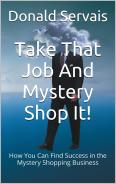
Want more help getting started? My book, Take That Job And Mystery Shop It!, walks you through finding assignments, completing shops, writing reports, and avoiding many of the mistakes new shoppers make.
Continuing Education for Mystery Shoppers Can Make You Better

One of the best ways to continue learning is simply to read. Look for information written by experienced mystery shoppers and people who work in the industry. Learn how other shoppers handle assignments, write reports, take notes, remember details, and deal with unexpected situations.
Mystery shopping also changes. Companies develop new types of assignments. Technology changes how shops are performed and submitted. Video mystery shopping is a good example. Equipment and recording technology have changed considerably over the years.
The more you understand about the business, the better prepared you'll be when an unusual assignment comes your way.
Consider Attending a Mystery Shopping Conference
Another form of continuing education for mystery shoppers is attending a mystery shopping conference or convention.
I attended one, and it turned out to be one of the best educational experiences I had as a mystery shopper.
Conferences give you an opportunity to meet other shoppers, schedulers, and representatives from mystery shopping companies. Some companies attend these events specifically because they want to meet shoppers and help them improve their skills.
You may attend workshops covering report writing, difficult shopping scenarios, video shopping, working with schedulers, or other areas of the business.
I learned some valuable lessons during a video mystery shopping class.
Everyone in the class had to submit a video from a recent assignment. The videos were played for the group, and we received constructive criticism about what we were doing well and what we could improve.
When my video was shown, I discovered two things.
First, I was using older video cards that were affecting the quality of my recordings. I hadn't realized how noticeable the difference was until the video was reviewed.
The second lesson was even more valuable.
I was saying "okay" too often while the salesperson was talking.
That might seem like a minor issue. After all, when someone is explaining something to you, saying "okay" is a natural way of acknowledging that you're listening.
But that's not necessarily a good habit during a video mystery shop.
If you say "okay" while the salesperson is speaking, you can accidentally talk over an important word or statement the client needs to hear. Instead, I learned that I could nod my head and allow the salesperson to continue talking.
It was a small adjustment that made me a better video mystery shopper.
Learn From Every Assignment
Continuing education for mystery shoppers doesn't have to take place in a classroom or at a conference. Every assignment can teach you something.
Maybe you realize you waited too long to complete a report and had difficulty remembering a detail. Perhaps an editor points out that part of your narrative wasn't clear. Maybe a scheduler explains that you didn't follow one of the client's instructions exactly.
Pay attention to that feedback.
Mystery shopping reports are reviewed for missing information, contradictions, unclear narratives, grammar problems, and answers that don't match the written comments. Learning to submit accurate, complete reports can make a big difference in the assignments you're offered.
Schedulers need dependable shoppers. They want people who follow instructions, meet deadlines, communicate when there's a problem, and consistently submit quality work.
The better you become, the more confidence schedulers can have in you.
Education Can Lead to More Opportunities
When I first started mystery shopping, one of my earliest assignments was a simple check-cashing shop. I purchased a money order, spent only a few minutes at the location, answered about 10 multiple-choice questions, wrote a short narrative, and earned $10.
It was a simple beginning, but it helped launch what became many years of mystery shopping.
Over time, I learned more about the business and took on different kinds of assignments, including video mystery shopping. I didn't immediately go out and spend money on video equipment. I learned the business first.
That's another important lesson about continuing education for mystery shoppers: you don't have to spend a lot of money when you're getting started.
Training and conferences can be valuable, but they aren't necessary before you've completed your first assignment. Learn the basics. Make some money. Decide whether you enjoy mystery shopping. Then consider investing in additional education, conferences, certifications, or equipment that can help you advance.
I've always believed in a simple approach: Start by making money before you start spending money.
Mystery shopping is a business where your reputation matters. Every successful assignment gives a company another reason to trust you.
Keep learning. Listen to constructive criticism. Learn from other professionals. Attend a conference when the opportunity makes sense. Most importantly, learn from every assignment you complete.
Continuing education for mystery shoppers isn't just about taking a class or earning a certification. It's about becoming a more observant, reliable, professional shopper.
And when schedulers know they can count on you, more opportunities may start coming your way.

About the Author
I'm Mystery Don, and I've completed mystery shopping assignments for restaurants, hotels, apartment communities, automobile dealerships, and new home builders.
I created this website to help people avoid the mistakes I've seen—and to show new shoppers how legitimate mystery shopping really works.
My book Take That Job And Mystery Shop It! lists over 150 mystery shopping companies to contact. I offer beginner-friendly tips and honest guidance without hype.
We're always looking for new faces to visit different places.
Buy the Kindle eBook (instant download)
Buy the Paperback (best field manual)
Buy the Hardcover (durable reference copy)