How Much Do Mystery Shoppers
Really Make?
One of the first things people want to know about this business is: how much do mystery shoppers really make?
I wish there were one number I could give you. There isn't.
I've done assignments that weren't worth the time they took, and I've done others that paid extremely well for the amount of work involved. Part of becoming an experienced mystery shopper is learning the difference before you accept the assignment.
For most people starting out, mystery shopping is better considered extra income rather than a replacement for a regular paycheck. That's how I approached it. I had a full-time job, but overtime was being cut back. Mystery shopping gave me another way to bring in some money.
As I gained experience, I learned which assignments I liked, which companies I preferred working with, and which shops weren't worth doing a second time.
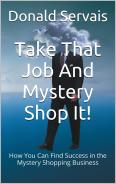
Want more help getting started? My book, Take That Job And Mystery Shop It!, walks you through finding assignments, completing shops, writing reports, and avoiding many of the mistakes new shoppers make.
How Much Do Mystery Shoppers Really Make as Beginners?

The amount you make depends heavily on the type of assignments you accept.
A simple telephone shop might not pay much, but you can complete it without leaving home. A restaurant shop might offer a small fee along with reimbursement for your meal. Apartment and new-home shops can pay more, but they usually require longer interactions and more detailed reports.
Video mystery shopping can move the pay considerably higher. Those assignments require additional equipment, training, and experience, but they can also involve less narrative because the video records much of the interaction.
Location matters, too. Someone living in or near a large metropolitan area may have hundreds of potential businesses within driving distance. A shopper in a rural area may have fewer assignments and considerably more driving.
That's why looking only at the advertised fee doesn't tell you how much mystery shoppers really make.
Suppose you accept a $30 shop. You spend 30 minutes reading the instructions, drive 45 minutes each way, spend 40 minutes at the business, and another hour completing the report. Suddenly, $30 doesn't sound quite as good.
On the other hand, a $20 assignment that's five minutes from your house with a short report might be a great shop.
Reimbursement Isn't Always the Same as Pay
This is something beginners sometimes overlook.
A steakhouse restaurant assignment might reimburse up to $50 for a dinner for two, plus a shopper fee of $10. You received $60 in value, but you didn't make $60 in spendable income. Part of that money replaced what you spent on the required meal.
That doesn't mean it's a bad deal. If it's a restaurant you wanted to visit anyway, getting most or all of your meal reimbursed can be worthwhile.
This also allows you to try different places. Even places you've been meaning to try but didn't want to spend the money.
The same applies to oil changes, car washes, entertainment, retail purchases, and other reimbursed assignments. I've taken shops partly because I wanted the product or service.
Just separate the reimbursement from the actual fee when deciding how much you're earning.
Experience Can Lead to Better Assignments
Your opportunities can improve after you've been doing this for a while.
Mystery shopping company schedulers look for people who are dependable. If you complete assignments correctly, meet deadlines, and submit good reports, you will be called on again.
That's when mystery shopping becomes fun.
Hard-to-fill assignments may receive bonuses. A scheduler trying to finish a project before the end of the month may increase the fee. Shops in distant locations sometimes include travel money. You may also be offered several locations as a package, making the trip much more profitable.
I've had days when grouping assignments together made a tremendous difference. Instead of driving across town for one shop, you can sometimes complete several in the same area.
Experienced shoppers also get better at recognizing bad deals.
I've completed assignments that required a lot of work for very little money. I didn't necessarily regret doing them because they taught me something important: don't take that shop again at that price.
You learn.
Before accepting an assignment, I consider the fee, mileage, required purchases, reimbursement, time at the location, and how much writing I'll have to do afterward. A $50 assignment with a two-hour report may be less attractive than two $25 assignments with easy reports.
You also have to consider expenses. Gas, vehicle use, tolls, and other business expenses affect how much money you're actually making.
Listen to my interview with Mystery Phil, who works the mystery shopping business full-time.
Can You Make a Full-Time Income?
Some experienced shoppers treat mystery shopping as a serious business and work with numerous companies. They may combine written shops, video assignments, routes, and other market-research work.
But that's very different from someone completing two restaurant shops and a car wash during the month.
I never went into mystery shopping intending to make it my full-time job. I wanted additional income, and it served that purpose well.
That's the expectation I'd recommend for a beginner.
Don't start by asking how many assignments you can grab. Complete a few and find out how long they actually take. Keep track of your expenses and the time you spend writing reports. Figure out what you're really earning.
So, how much do mystery shoppers really make? It depends on how often you work, the assignments you choose, where you live, how far you travel, and how good you become at finding the profitable shops.
You probably won't get rich from your first few assignments.
But once you learn the business, develop relationships with schedulers, and become selective about the work you accept, those small assignments can add up to some very useful extra income.
Your Best Next Step
If you’re still deciding whether mystery shopping is worth pursuing, read these next:
- How to Start Mystery Shopping as a Complete Beginner
- Mystery Shopping Scams: Red Flags Every Beginner Should Know
- Mystery Shopping for Beginners
About the Author
I'm Mystery Don, and I've completed mystery shopping assignments for restaurants, hotels, apartment communities, automobile dealerships, and new home builders.
I created this website to help people avoid the mistakes I've seen—and to show new shoppers how legitimate mystery shopping really works.
My book Take That Job And Mystery Shop It! lists over 150 mystery shopping companies to contact. I offer beginner-friendly tips and honest guidance without hype.
We're always looking for new faces to visit different places.
Buy the Kindle eBook (instant download)
Buy the Paperback (best field manual)
Buy the Hardcover (durable reference copy)