How to Avoid Beginner Mistakes
That Waste Time
If you’re new to mystery shopping, here are some tips on how to avoid beginner mistakes that waste time.
First of all, you're going to make a few mistakes. I certainly did.
The trick is learning from them without repeatedly making the same ones. Some mistakes cost you a few minutes. Others can cost you an entire afternoon—or even cause an assignment to be rejected.
One of the first things I learned was that the amount listed next to an assignment doesn't tell you whether it's a good shop. You have to consider the drive, the time at the location, what you're required to purchase, and how much work you'll have waiting for you when you get home.
Learning how to avoid beginner mistakes that waste time is really about becoming more selective and organized as you gain experience.
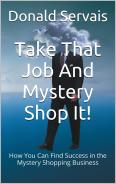
Want more help getting started? My book, Take That Job And Mystery Shop It!, walks you through finding assignments, completing shops, writing reports, and avoiding many of the mistakes new shoppers make.
Start With Assignments You Can Handle
Don't make your first assignment a complicated new-home shop with a long sales presentation and pages of narrative just because it pays more.
Start with something simple.
A convenience store, fast-food restaurant, retail location, car wash, or telephone shop can teach you how the process works without overwhelming you. You'll learn how to read instructions, remember details, save your documentation, and submit the report.
Once you're comfortable with those assignments, move on to more complicated work.
One mistake I see beginners making is accepting an assignment before completely reading what they're expected to do. A $30 fee catches their attention, so they apply. Then they discover they have to visit during a specific two-hour window, make a required purchase, interact with three employees, take photographs, and answer a lengthy questionnaire afterward.
Read everything you can before accepting the shop.
Pay particular attention to anything that could disqualify you. If the instructions say you must enter between 6:00 and 8:00 p.m., arriving at 5:59 can invalidate the assignment. If you're supposed to get a receipt, don't leave without one.
Those little details can turn several hours of work into no pay at all.
How to Avoid Beginner Mistakes That Waste Time on Reports
The assignment isn't finished when you leave the business.
Beginners sometimes underestimate the report, and that's where a 30-minute shop can turn into a two-hour project.
Whenever possible, look at the questionnaire before doing the assignment. If they're going to ask for the employee's name, you'll know to look for a name tag. If they want exact timing, you'll know to check your watch or phone. If you're expected to describe the restroom, you'll remember to visit it.
Trying to reconstruct all of those later wastes time.
I also recommend recording your important details as soon as you're safely away from the location. Don't sit directly in front of the business writing everything down where employees can see you.
Find another location and make some quick notes.
Write down names, times, descriptions, what you ordered, unusual comments, and anything else you're likely to forget. If you're doing several assignments in one day, this becomes even more important. It's surprisingly easy to remember the right employee but attach that person to the wrong location.
Receipts can cause problems, too. Develop a system for them. Don't shove one into your pocket and expect to find it eight hours later. If the company requires a photograph of the receipt, make sure it's readable before you throw anything away.
Don't Accept Everything You're Offered
Another part of learning how to avoid beginner mistakes that waste time is learning to say no.
Not every legitimate mystery shop is a good mystery shop.
I've completed assignments that I wouldn't do again for the same fee. That's part of learning the business. You finish the job because you accepted it, but afterward you realize the report required far too much work for what you were paid.
Next time, you pass.
Sometimes that decision pays off. A difficult-to-fill assignment may sit on the job board for several days. As the deadline approaches, the mystery shopping company may add bonus money or travel expenses.
Suddenly, the assignment becomes worthwhile.
You can also make better money by grouping shops together. Driving 50 miles for one $25 assignment probably doesn't make sense. Driving the same distance to complete four or five assignments might.
Think in terms of your entire trip rather than the individual fee.
And don't overload yourself. Five assignments in one day may sound profitable until you're sitting at home late that evening with five reports still waiting to be written.
Leave enough time to finish the paperwork.
Organization Saves More Time Than You Think
You don't need a complicated business system to stay organized.
You do need to know where your assignments, deadlines, receipts, mileage information, and notes are.
When I travel to a mystery shop, I keep track of my mileage. That's much easier to do at the beginning and end of the trip than trying to reconstruct it weeks later.
The same principle applies to everything else.
Complete reports while the experience is fresh. Check your work before submitting it. Make sure photographs are uploaded correctly. Look at the receipt one more time. Answer every required question.
A few extra minutes before hitting Submit can save a string of emails from an editor asking you to clarify something later.
You'll eventually develop your own routine.
That's really how to avoid beginner mistakes that waste time. Read before accepting. Know what the report requires. Keep good notes. Stay organized. Don't overload your schedule, and don't assume every assignment deserves your time simply because someone posted it.
You'll still make an occasional mistake. Every mystery shopper does.
The difference is that after you've completed enough assignments, you'll recognize many of the time-wasters before they ever become your problem.
If you want help with that, read How to Write a Better Mystery Shopping Report and How to Take Better Notes During a Mystery Shop next.

About the Author
I'm Mystery Don, and I've completed mystery shopping assignments for restaurants, hotels, apartment communities, automobile dealerships, and new home builders.
I created this website to help people avoid the mistakes I've seen—and to show new shoppers how legitimate mystery shopping really works.
My book Take That Job And Mystery Shop It! lists over 150 mystery shopping companies to contact. I offer beginner-friendly tips and honest guidance without hype.
We're always looking for new faces to visit different places.
Buy the Kindle eBook (instant download)
Buy the Paperback (best field manual)
Buy the Hardcover (durable reference copy)