Mystery Shopping Scams: How to Spot Them Before You Get Burned
Mystery shopping is a legitimate business, but unfortunately, scammers know how to make a phony assignment sound real. If you're new to the business, you may not know the difference.
That's where people get into trouble.
I've been mystery shopping for years, and legitimate assignments generally follow a recognizable pattern. You accept a shop, follow the instructions, complete the assignment, submit your report, and wait to be paid. You aren't promised hundreds or thousands of dollars for doing practically nothing.
When an offer doesn't resemble the way legitimate mystery shopping normally works, start asking questions.
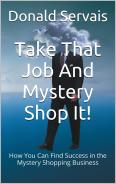
Want more help getting started? My book, Take That Job And Mystery Shop It!, walks you through finding assignments, completing shops, writing reports, and avoiding many of the mistakes new shoppers make.
Mystery Shopping Scams Often Start With an Attractive Offer
Scammers aren't going to contact you and announce that they're trying to steal your money. They have to make the opportunity sound good.
You may receive an email or text offering an unusually large payment for a simple assignment. Maybe you're supposed to visit a store, evaluate customer service, or purchase something. The message may claim that no experience is necessary and that you were specially selected.
No experience required isn't necessarily suspicious. Plenty of legitimate mystery shopping companies hire beginners.
It's everything surrounding the offer that matters.
Who sent it? Did you apply with that company? Does the company have a legitimate website? Can you log into a shopper portal and see the assignment? Does the payment make sense for the amount of work involved?
A $20 assignment to evaluate a fast-food restaurant sounds reasonable. Getting paid $500 to spend 15 minutes in a store deserves considerably more investigation.
Don't Pay Someone to Give You a Mystery Shop
Legitimate mystery shopping companies pay you to complete assignments.
Be extremely suspicious of anyone requiring an application fee, registration fee, training fee, or payment to gain access to assignments.
There are legitimate expenses associated with mystery shopping. You may have to purchase a meal, buy an item, pay for gasoline, or temporarily use your own money for an assignment. That's different from paying a company for the privilege of working for them.
Always read the reimbursement instructions before accepting a shop. A $50 restaurant reimbursement doesn't necessarily mean you're receiving a $50 fee. You may be reimbursed for your meal and receive a separate shopper fee—or the reimbursement may be the primary compensation.
Know what you're agreeing to before you leave home.
Be Very Careful With Checks and Money Transfers
One of the best-known mystery shopping scams involves receiving a check.
Someone sends you a large check and tells you to deposit it into your bank account. You're instructed to keep part of the money as your mystery shopping fee and use the remainder to purchase gift cards, send money, or complete some type of financial transaction.
The check may initially appear in your account, which makes the assignment look legitimate. Later, the bank discovers that the check is fraudulent. The money disappears from your account, but the money you sent to the scammer is already gone.
That's not mystery shopping.
A legitimate company isn't going to randomly mail you thousands of dollars and trust a stranger to redistribute the money.
Gift cards should raise the same concerns. If someone wants you to buy gift cards and send photographs of the numbers or PINs, don't do it.
Look at Where the Assignment Came From
If you've registered with a mystery shopping company and regularly receive assignment notices from its scheduling system, that's much different from receiving an unexpected text from someone you've never heard of.
Before accepting work from an unfamiliar company, investigate it.
Look at the company's website. Search for its name. See how long it has been operating. Look for contact information. You can also check whether it is associated with established organizations in the mystery shopping industry.
Don't rely entirely on the name in an email. Scammers can impersonate legitimate companies and real employees.
If you're suspicious, go directly to the company's website rather than clicking the link in the message. Contact the company using information you found independently and ask whether the assignment is theirs.
That extra five minutes could save you a lot of money.
Personal Information Is Sometimes Necessary—But Timing Matters
This area can confuse beginners because legitimate mystery shopping companies eventually need certain personal information.
If you're working as an independent contractor and earning income, a legitimate company may need tax information. It also needs a way to pay you.
That doesn't mean you should provide sensitive information to somebody who sent you an unsolicited text five minutes ago.
First, establish that you're dealing with a legitimate business. Register through the company's official website and understand why the information is being requested.
There's a big difference between completing tax information through an established company's secure shopper portal and emailing your Social Security number to a stranger.
Don't Let a Big Fee Make the Decision for You
Mystery shoppers naturally look for assignments that pay well. I do too.
But unusually high pay should make you look more closely at the assignment, not less closely.
Legitimate shops sometimes pay excellent bonuses. I've seen assignments increase substantially when a scheduler is having trouble getting a location completed before a deadline. Travel pay may also be added to difficult locations.
There's usually a reason for the additional money.
An unexplained promise of huge money for almost no work is something else entirely.
Learn What Real Mystery Shopping Looks Like
One of the best defenses against mystery shopping scams is experience.
Once you've completed legitimate shops, you'll become familiar with job boards, schedulers, guidelines, questionnaires, reimbursement limits, deadlines, reports, and payment schedules. A strange offer becomes much easier to recognize because it doesn't resemble anything else you've been doing.
Beginners don't have that advantage yet.
That's why I recommend starting slowly. Work with established companies. Take a few straightforward assignments and learn the process before chasing unusually high-paying opportunities.
If something doesn't make sense, ask the scheduler before doing the shop.
And if somebody is pressuring you to send money immediately, buy gift cards, deposit a suspicious check, or provide sensitive information before you've even established who you're dealing with, don't worry about losing the opportunity.
There will always be another mystery shop.
Your money is considerably harder to replace.
About the Author
I'm Mystery Don, and I've completed mystery shopping assignments for restaurants, hotels, apartment communities, automobile dealerships, and new home builders.
I created this website to help people avoid the mistakes I've seen—and to show new shoppers how legitimate mystery shopping really works.
My book Take That Job And Mystery Shop It! lists over 150 mystery shopping companies to contact. I offer beginner-friendly tips and honest guidance without hype.
We're always looking for new faces to visit different places.
Buy the Kindle eBook (instant download)
Buy the Paperback (best field manual)
Buy the Hardcover (durable reference copy)