Tax Deductions Beginners Miss
When Mystery Shopping
There are several tax deductions beginners miss, particularly when assignments involve travel.
When you start mystery shopping, it's easy to concentrate on how much an assignment pays and forget that you're operating a small business. Most mystery shoppers work as independent contractors, which means keeping track of legitimate business expenses can become very important at tax time.
I've always kept records when driving to mystery shopping assignments. I write down my starting mileage and the mileage when I return. That simple habit gives me a record of the miles I've driven for my mystery shopping work.
Here are other deductions to look at.
Tax laws change, and everyone's circumstances are different. This article provides general information, not individual tax advice. Consult a qualified tax professional about your situation.
Want more help getting started? My book, Take That Job And Mystery Shop It!, walks you through finding assignments, completing shops, writing reports, and avoiding many of the mistakes new shoppers make.
Tax Deductions Beginners Miss: Business Mileage
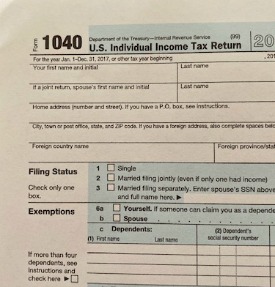
Mileage can become a substantial expense if you do a lot of mystery shopping.
The IRS allows eligible self-employed taxpayers to use the standard mileage method for business driving. The business mileage rate varies year to year. Many years have two different rates in the same year.
For example, the rate for the first half of 2026 was 72.5 cents per mile. From July 1st to the end of the year, the rate was 76 cents per mile.
That doesn't mean every mile you drive is automatically deductible. The trip must qualify as business transportation under IRS rules.
Keep a mileage log showing the date, business purpose, destination, and mileage. My habit of recording the odometer before leaving and when returning gives me information I can use for my records.
If you use the standard mileage method, don't also deduct gasoline, repairs, insurance, and depreciation for those same miles. Those automobile costs are incorporated into the mileage rate.
Don't Forget Tolls and Parking
Here's one of the tax deductions beginners miss.
Business-related tolls and parking can generally be deducted in addition to the standard mileage rate.
Suppose you drive 100 qualifying business miles to complete several assignments and spend $12 on highway tolls. The tolls aren't swallowed up by the standard mileage deduction. Keep a record of them separately.
That's especially important when you take mystery shopping routes through areas with toll roads or expensive parking.
Can You Deduct Lunch?
This is where shoppers need to be careful.
You can't simply deduct lunch because you happened to eat while completing a local mystery shop. Everyone has to eat, and an ordinary personal lunch doesn't suddenly become a business expense because you completed an assignment before or afterward.
Business travel is different.
If you're traveling away from your tax home on business and the trip requires an overnight stay—or is long enough to require substantial sleep or rest—the meals can generally qualify under the IRS business-travel rules. The deductible amount is normally 50% of the qualifying meal expense.
For example, suppose I traveled to another city to complete several mystery shops, stayed overnight, and spent $20 on a qualifying travel meal.
Generally, the deduction would be $10, not the entire $20.
The IRS also permits qualifying travelers to use a standard meal allowance rather than actual meal costs under certain circumstances.
What About Restaurant Mystery Shops?

Here's an important distinction.
If you're required to purchase a meal as part of a restaurant mystery shop, the tax treatment can depend on the circumstances, including whether the mystery shopping company reimburses you for that expense.
Don't automatically assume you can deduct the entire restaurant bill in addition to receiving reimbursement from the mystery shopping company. Reimbursements and business expenses can receive different tax treatment depending on how they're reported.
That's a good question to discuss with your tax preparer.
Overnight Mystery Shopping Trips
I've had situations where I needed to stay in a hotel because I had several assignments to complete out of town.
When overnight travel is genuinely required for your mystery shopping business and meets IRS business-travel requirements, qualifying lodging expenses can generally be deducted. The IRS specifically identifies lodging as a deductible expense when traveling away from your tax home for business.
Unlike meals, qualifying lodging isn't generally subject to the 50% meal limitation.
Suppose your hotel costs $150 for the night and the entire stay qualifies as business travel. Generally, the qualifying $150 lodging expense is deductible, while qualifying meals would normally be subject to the 50% limitation.
Keep the hotel receipt.
If you turn the trip into a vacation and stay several extra days for personal reasons, things become more complicated. Don't assume your entire trip is deductible simply because you completed one mystery shop while you were there.
Other Travel Expenses Can Add Up
Business travel can involve expenses besides hotels and meals.
The IRS lists qualifying transportation, lodging, business communications, tips related to travel services, and certain other ordinary and necessary travel expenses as potentially deductible.
For a mystery shopper, that might mean keeping records for things such as:
- Business mileage
- Tolls and parking
- Qualifying hotel stays
- Qualifying business-travel meals
- Other ordinary and necessary expenses directly related to the assignment
Don't throw away receipts just because an expense seems small. Ten dollars here and $15 there can become a substantial amount after a year of mystery shopping.
Keep Records From the Beginning
The best time to reconstruct a year's worth of business mileage isn't April 14.
Keep records as you go.
I record my mileage when I travel to mystery shops. I also recommend keeping receipts and documenting what each expense was for. A spreadsheet, mileage app, notebook, or accounting program can make the process easier.
Some of the most valuable tax deductions beginners miss aren't unusual deductions at all. They're ordinary expenses shoppers simply forgot to document.
Mystery shopping income is important, but so are the legitimate expenses required to earn that income.
Keep good records throughout the year. When tax time arrives, you'll be glad you did.
About the Author
I'm Mystery Don, and I've completed mystery shopping assignments for restaurants, hotels, apartment communities, automobile dealerships, and new home builders.
I created this website to help people avoid the mistakes I've seen—and to show new shoppers how legitimate mystery shopping really works.
My book Take That Job And Mystery Shop It! lists over 150 mystery shopping companies to contact. I offer beginner-friendly tips and honest guidance without hype.
We're always looking for new faces to visit different places.
Buy the Kindle eBook (instant download)
Buy the Paperback (best field manual)
Buy the Hardcover (durable reference copy)