What to Expect from Your
First Mystery Shop
What to expect from your first mystery shop is pretty simple: you'll receive instructions, visit or contact the assigned business, make specific observations, and complete a report describing what happened.
It sounds easy enough.
Then you get your first assignment and start wondering how you're going to remember everything without looking like a mystery shopper.
I remember being nervous on my first assignment. In April 2006, I went to a check-cashing location to purchase a money order. The visit lasted about five minutes. I observed how the transaction was handled, looked at the cleanliness of the business, went home, answered about ten multiple-choice questions, and wrote a short narrative.
I earned $10.
It wasn't a complicated assignment, but I was nervous the entire time.
That's one reason I recommend beginning with a relatively simple shop. You can learn how the process works before moving on to assignments with pages of instructions and detailed reports.
Want more help getting started? My book, Take That Job And Mystery Shop It!, walks you through finding assignments, completing shops, writing reports, and avoiding many of the mistakes new shoppers make.
So, What to Expect From Your First Mystery Shop?
Your assignment begins before you walk through the door.
Read all the instructions.
Then read them again.
You need to know exactly what the client wants you to do. You may have to visit during a certain time period, ask a specific question, make a purchase, interact with a particular department, or record how long something takes.
I also like to look at the report before doing an assignment whenever it's available. That tells me what I'll be asked afterward.
Finding out after the shop that you were supposed to remember an employee's name isn't going to do you much good.
Once You Walk Through the Door
Try to behave the way you normally would as a customer.
You aren't an inspector walking around looking for violations. You're supposed to experience the business as an ordinary customer while observing the things listed in your instructions.
Suppose you're shopping at a restaurant.
You might need to record how long it takes to be greeted, whether your server introduces themselves, whether they suggest an appetizer, how long the food takes to arrive, whether your order is correct, and how clean the restaurant appears.
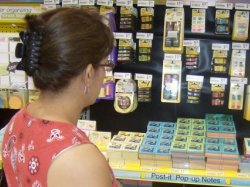
At a retail store, you might have to ask an employee about a product and see how knowledgeable or helpful they are.
Every assignment is different.
Don't Make Yourself Look Like a Mystery Shopper
Beginners sometimes become so concerned about getting everything right that they make themselves stand out.
Relax and act naturally.
Don't stare at an employee's name tag for ten seconds because you're trying to memorize the name. Don't walk around checking items off a list where employees can see you. Don't repeatedly look at your watch immediately after every interaction.
Find natural ways to remember what you need.
If necessary, excuse yourself to the restroom and make a few notes. Once you're back in your car, write down the important details while they're fresh.
My article on How to Take Better Notes During a Mystery Shop goes into more detail about keeping track of information.
Something Probably Won't Go Exactly as Planned
This is another thing to understand about what to expect from your first mystery shop.
The instructions describe what is supposed to happen.
Real life doesn't always cooperate.
You'll have situations where you're supposed to evaluate a specific person, and that person isn't there. Or a product that you're instructed to purchase may be sold out.
Don't panic and don't start inventing your own assignment.
Follow the instructions as closely as possible. If something happens that could affect the shop, make a note of it and contact your scheduler if necessary.
The Assignment Isn't Finished When You Leave
The report is part of the job.
Once you're away from the location, go over the visit while you can still remember it clearly. Write down names, employee descriptions, times, conversations, and anything unusual that happened.
Keep your receipt if one is required.
Then complete the report by the deadline.
Answer the questions honestly and describe what happened in the order it occurred. Don't exaggerate a bad experience, and don't make excuses for an employee who didn't follow the required procedure.
You're reporting what you observed.
My How to Write a Better Mystery Shopping Report article can help when you're ready to complete that part of the assignment.
Don't Start with the Hardest Assignment You Can Find
Your first mystery shop doesn't need to pay $100.
A short retail, grocery, restaurant, or telephone assignment with straightforward instructions may teach you more than an expensive shop requiring two hours of work and a complicated report.
Learn the basics first.
You'll discover how long reports take you, what details you tend to forget, which types of assignments you enjoy, and how much work you're willing to do for a particular fee.
After you've completed a few shops successfully, you can start accepting more complicated assignments.
Your Second Shop Will Be Easier
My first $10 mystery shop wasn't particularly exciting, but it taught me how the process worked.
Then I did another one.
And another.
Eventually, I performed much more complicated assignments, including video mystery shops that required considerably more preparation and attention to detail.
That's probably the most important thing to understand about what to expect from your first mystery shop.
It's your first assignment—not your final exam.
Read the instructions carefully, act like a normal customer, pay attention, write down the details afterward, and submit an accurate report.
Then take what you learned and make your next shop better.

About the Author
I'm Mystery Don, and I've completed mystery shopping assignments for restaurants, hotels, apartment communities, automobile dealerships, and new home builders.
I created this website to help people avoid the mistakes I've seen—and to show new shoppers how legitimate mystery shopping really works.
My book Take That Job And Mystery Shop It! lists over 150 mystery shopping companies to contact. I offer beginner-friendly tips and honest guidance without hype.
We're always looking for new faces to visit different places.
Buy the Kindle eBook (instant download)
Buy the Paperback (best field manual)
Buy the Hardcover (durable reference copy)