Hotel Mystery Shopping Tips (for smoother stays, cleaner reports, and fewer revisions)
Hotel mystery shopping tips start before you ever book: pick assignments with clear rules, realistic timing, and a payout that matches the effort.
Hotel shops can be some of the most interesting assignments in mystery shopping—but they’re also easy to underestimate. You’re often evaluating multiple “moments” across a stay (booking, arrival, check-in, room, amenities, breakfast, checkout), and the report can be long. The good news: a simple system makes hotel shops predictable and profitable.
Below are practical, compliance-first tips you can use on almost any hotel assignment.
If you’re still getting oriented, start with the Mystery Shopping for Beginners for the bigger picture.
Know what kind of hotel shop you accepted (and what it really costs you)

Before you confirm, identify the shop format:
- Call-only or booking-only (no stay): usually faster, lower reimbursement complexity.
- Check-in/check-out evaluation (short stay): moderate reporting, timing details matter.
- Full stay audit (overnight with amenities): high detail, higher revision risk if you don’t capture facts as you go.
Then make your “fee versus effort” estimate: travel time, check-in window, required interactions, report length, and your out-of-pocket cost after reimbursement.
Hotel Mystery Shopping Tips: A step-by-step checklist for each stage of the stay
1) Pre-stay: read the instructions like a contract
Hotel instructions often include “must-do” items such as:
- booking method (direct site vs. phone vs. third-party)
- exact room type or rate category
- required questions at check-in (“What time is breakfast?” etc.)
- specific amenities to evaluate (gym, pool, shuttle, business center)
- proof requirements (receipt/folio, screenshots, photos of signage—only if permitted)
Tip: Convert the instructions into a short checklist in your notes app. This is one of the most reliable hotel mystery shopping tips because it prevents missed requirements that lead to non-payment or revisions.
2) Booking stage: screenshot the details (when allowed)
If the assignment involves online booking, capture what matters while it’s on screen:
- rate and cancellation terms
- promised amenities
- check-in/check-out times
- any fees (parking, resort fees, deposits)
If screenshots aren’t permitted, write down the essentials immediately. Your report will usually ask whether the hotel delivered what it promised.
3) Arrival: record “first impressions” as facts
Hotels love “experience” language, but your report needs specifics. Note:
- exterior condition (lighting, cleanliness, signage)
- ease of parking and entrance
- lobby condition (smell, clutter, music volume, queue length)
- staff presence (were you acknowledged quickly?)
Keep it neutral and observable. “Lobby felt chaotic” is weak. “Five people were waiting; only one agent was assisting; no one acknowledged me for 3 minutes” is strong.
4) Check-in: capture timing + the exact service behaviors
Common check-in measures include:
- greeting wording (approximate but accurate)
- whether they used your name
- whether they explained deposits/holds clearly
- whether they offered upgrades, loyalty enrollment, or amenities info
- professionalism (tone, eye contact, clarity)
Write down the staff member’s name if visible (name tag or printed receipt). If not, note a simple description (role, appearance) without being creepy or overly detailed.
5) Room evaluation: focus on the “client checklist” items
Rooms can swallow time because there’s so much you could observe. Anchor your observations to typical categories:
- cleanliness (surfaces, bathroom, linens)
- maintenance (lights, thermostat, outlets, leaks)
- noise (hallway, HVAC)
- safety basics (door latch, peephole, well-lit corridors)
- promised items (coffee setup, toiletries, Wi‑Fi instructions)
If you find an issue, document it in a calm, factual way. Avoid diagnosing. Just report what you saw.
6) Amenities: only evaluate what the assignment requires
If the shop asks you to check the gym, pool, breakfast area, etc., do it—but don’t create extra obligations for yourself. For each required amenity, capture:
- hours posted
- cleanliness and readiness
- staff interaction (if any)
- accessibility (signage, location clarity)
This is another of the best Hotel Mystery Shopping Tips: don’t turn a defined assignment into an open-ended inspection.
7) Checkout: confirm the folio/receipt and the final service moment
At checkout, record:
- whether you were asked about your stay
- whether they offered a receipt/folio without you prompting
- whether fees and holds were explained clearly
- whether the farewell was professional
Then secure the folio/receipt immediately. Most hotel shops depend on clean documentation for reimbursement.
The note-taking system that makes hotel shops easier
Hotel shops work best with “micro-notes” at natural pauses:
- after booking
- after check-in (in your room)
- after any required amenity visit
- right before checkout
- right after checkout (in your car or a quiet spot)
Use a template:
- Booking details:
- Arrival time:
- Check-in start/end:
- Staff name/description:
- Room condition highlights:
- Required amenities checked:
- Checkout details:
- Receipt/folio stored:
This supports accuracy and reduces revision requests.
Common mistakes (and how to avoid them)
- Waiting until the end to write everything → details blur; report quality drops.
- Missing a required question/script item → can invalidate the shop.
- Not understanding reimbursement rules → can cost you real money.
- Overwriting with opinion → clients want observable facts.
When in doubt: write what happened, in order, with times and specifics.
Your Best Next Step
The core idea behind these hotel mystery shopping tips is simple: hotel shops reward organization. Treat the stay as a set of stages, capture facts at each stage, and you’ll submit stronger reports, get paid faster, and feel less stressed doing higher-detail assignments.
If this article helped, read these next:
- What To Do After Approval
- Applying for Assignments Faster
- Building a Steady Assignment Flow
- How to Start Mystery Shopping Without Feeling Overwhelmed
- Mystery Shopping for Beginners
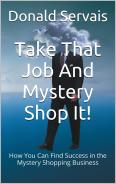
If you want beginner-friendly tips and honest guidance without hype, my book, "Take That Job And Mystery Shop It!" will give you the information you need to start. I'll also give you a list of over 150 mystery shopping companies to contact.
The mystery shopping business is always looking for new faces to visit different places.
Buy the Kindle eBook (instant download)
Buy the Paperback (best field manual)
Buy the Hardcover (durable reference copy)