Mystery Shopping Audits: When You
Don't Have to Remain Anonymous
Mystery shopping audits offer an interesting way to earn extra money without having to pretend you're an ordinary customer. Unlike traditional mystery shopping assignments, many audits allow you to identify yourself to employees or management. In fact, some businesses expect you to introduce yourself before beginning your evaluation.
You might be surprised to learn that many of these assignments come from the same companies that offer traditional mystery shopping jobs.
Businesses use independent auditors to check merchandise displays, verify prices, inspect locations, and determine whether their stores are following company procedures. Hiring independent contractors can be more economical than sending company employees across the country.
For mystery shoppers, these assignments provide another opportunity to earn money.
Want more help getting started? My book, Take That Job And Mystery Shop It!, walks you through finding assignments, completing shops, writing reports, and avoiding many of the mistakes new shoppers make.
What Are Mystery Shopping Audits?

A mystery shopping audit is an assignment where you gather specific information about a business, its products, or its operations.
Unlike an anonymous mystery shop, an announced audit may require you to identify yourself as an authorized evaluator.
Some assignments require you to check in with the manager. Others require you to wear a vendor badge or present a letter of authorization.
However, not every audit is announced. Some clients still want shoppers to gather information discreetly. Always read your instructions before arriving.
Most mystery shopping audits involve answering questions, taking photographs, or recording information using a smartphone.
Business Verification and Compliance Audits
One type of audit I've completed many times is a business verification.
These assignments involve visiting a business to confirm information about its location and operations.
You might meet with the owner or manager, ask questions, and photograph specific items.
Depending on the client's requirements, photographs could include the storefront, business license, work areas, equipment, or document shredders.
I've completed some business verifications that required nothing more than photographing a storefront to confirm that the business appeared to be operating at the location.
Other assignments were considerably more involved.
I once completed a business verification requiring more than 80 questions and 30 photographs. The assignment took over two hours, and the fee was only $21.
That experience taught me an important lesson: Never assume an audit is profitable just because the assignment looks simple.
Always review the requirements and estimate how long the work will take before accepting it.
Want to learn more about the legitimacy of mystery shopping? Listen to my interview with Jason Meza of the Better Business Bureau, where we discuss the mystery shopping industry.
Retail Displays and Merchandise Audits
Another common type of mystery shopping audit involves checking merchandise displays.
Retailers want to know whether specific products are available, properly displayed, and advertised correctly.
I've completed assignments checking whether certain printer models were displayed in stores.
If a particular model wasn't on display, I sometimes had to ask an employee whether it was available and why it wasn't being shown.
Occasionally, an employee explained that a product had been removed because of poor sales.
These assignments help businesses understand what's actually happening at individual retail locations.
Price Checks and Grocery Store Audits
Some mystery shopping audits involve checking prices on specific products.
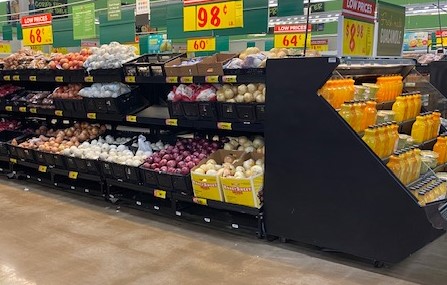
For example, a grocery store assignment might require recording the prices of 20 or 30 products.
I've also completed an unusual series of monthly assignments involving milk products.
I visited several grocery stores, purchased specific cartons of milk, and recorded their temperatures using a thermometer supplied by the mystery shopping company.
Afterward, I took the milk home for taste testing.
I received an assignment fee and reimbursement for the purchases.
The only problem was that my family had a refrigerator full of milk to drink!
Do You Need Special Equipment?
Many mystery shopping audits require little more than a smartphone. The special thermometer I used for those milk product assignments was sent to me by mail. When the assignments ended a year later, the mystery shopping company paid the postage to return the thermometer.
You may need to photograph merchandise, upload receipts, complete questionnaires, or check in electronically to verify your location.
Some assignments require you to submit reports while you're still at the business.
Others allow you to complete the report afterward.
Certain audits require additional equipment, training, certification, or a background check.
The requirements vary considerably, so review everything before accepting the assignment.
What Happens When Employees Know You're an Auditor?
During some retail audits, employees have approached me after noticing me examining merchandise with a questionnaire in hand.
On several occasions, employees told me I needed to check in at the service desk or wear a vendor badge.
Once I explained my assignment, they were often helpful in locating merchandise or answering questions.
However, there are situations where remaining discreet is beneficial.
For example, if you're evaluating cleanliness at a convenience store, employees might suddenly start emptying trash cans or cleaning the area when they realize an inspection is underway.
That's why it's important to understand whether the client wants an announced audit or an evaluation of normal operating conditions.
The objective is always to provide an accurate report while following the client's instructions.
Are Mystery Shopping Audits Worth Your Time?
I believe mystery shopping audits are worth considering, especially for shoppers who enjoy detail-oriented assignments.
Some are quick and easy. Others involve extensive questionnaires, numerous photographs, and considerable reporting time.
Before accepting an assignment, consider the fee, travel distance, equipment requirements, and estimated time needed.
You may also be able to combine several audits into one profitable route.
Mystery shopping audits can provide valuable experience and help you build relationships with companies that offer different types of assignments.
About the Author
I'm Mystery Don (Donald J. Servais, Jr.), and I've completed mystery shopping assignments for restaurants, hotels, apartment communities, automobile dealerships, new home builders, and other businesses.

I created MystShopper.com to share what I've learned from my own experiences, help new shoppers avoid common mistakes, and explain how legitimate mystery shopping really works.
I'm also the author of Take That Job And Mystery Shop It!, which includes beginner-friendly advice, real-world mystery shopping experiences, and a directory of more than 150 mystery shopping companies.
Drawing on my 45-year career in television, I've also written 7 Keys to Success in a Changing Television Industry, a guide for people interested in building a career in television and video.
My goal is simple: honest guidance without the hype.
We're always looking for new faces to visit different places.
Buy the Kindle eBook (instant download)
Buy the Paperback (best field manual)
Buy the Hardcover (durable reference copy)
- Home
- Mystery Shopper Jobs
- Audits