Answering Narrative Questions Fast Without Hurting Your Mystery Shop Report
You complete a 20-minute mystery shop and head home feeling pretty good about it. Then you open the report.
Two hours later, you're still writing.
Narrative questions can turn an easy assignment into a time-consuming project. Learning answering narrative questions fast techniques can make mystery shopping much more profitable. The less time you spend writing reports, the sooner you can move on to another assignment.
You want to speed things along, but you also want to be accurate. I've found that even little details helped me get more future assignments. Your goal isn't to write as little as possible. You have to give the mystery shopping company the information it needs without wasting time on details nobody asked for.
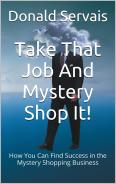
Want more help getting started? My book, Take That Job And Mystery Shop It!, walks you through finding assignments, completing shops, writing reports, and avoiding many of the mistakes new shoppers make.
Answering Narrative Questions Fast Starts During the Shop

A good report begins before you sit down at your computer.
Read the questionnaire before doing the assignment. Know which observations will require explanations later. If the report asks whether an employee offered additional products, for example, pay attention to exactly what was offered and when it happened.
Don't try to memorize everything.
Immediately after leaving the location, find a safe place and record the important details. You can type notes into your phone or make a voice recording. Include names, descriptions, times, unusual comments, and anything else you may forget.
Five minutes of good notes can save 30 minutes of staring at a questionnaire later.
Answer the Question Being Asked
One of the easiest ways to waste time is writing too much.
Suppose the question asks:
"Did the employee greet you within 30 seconds? Please explain."
You don't need to describe everything that happened from the moment you entered the store.
A response such as, "The employee looked toward me and said, 'Good afternoon. Let me know if I can help you,' approximately 10 seconds after I entered," provides the information the client needs.
Move on.
Don't turn every narrative response into a novel.
Use Your Notes in Chronological Order
Many written mystery shopping reports ask for an overall narrative describing the visit.
Write it in the same order that things happened.
I entered the location. I was greeted by an employee 30 seconds later. I asked the required questions. The employee gave a short presentation and recommended a product. I made my purchase. The cashier offered a receipt and thanked me.
Obviously, you'll provide more detail than that, but chronological writing prevents you from jumping around and trying to remember what happened next.
This is one of the simplest methods for answering narrative questions fast.
Don't Keep Rewriting the Same Sentence
This is something I did when I first started. Some shoppers spend too much time trying to make every sentence sound perfect.
Remember what you're writing.
This isn't a college term paper. The mystery shopping company needs a clear, factual description of what occurred.
You can write short sentences if necessary. Use names of people (or a description of them) when you have them. Describe what you saw and heard.
One big observation people like to do is guess what an employee was thinking. The only time a mystery shopping company wants an opinion is how food or drinks tasted.
"The cashier appeared angry with me" is an opinion.
"The cashier did not smile, made no eye contact, and spoke quietly" describes observable behavior.
That distinction also makes reports easier to write.
Watch for Questions You've Already Answered
Mystery shopping questionnaires sometimes ask similar questions more than once.
You may answer a yes-or-no question and then encounter a narrative box asking you to explain the same event.
Don't invent additional information simply because there's another box.
Give a concise explanation and remain consistent. Contradictions can cause an editor to return the report for clarification, which costs you even more time.
Use a Simple Writing Pattern
What helped me for every assignment was remembering these questions:
What happened?
What did the employee say or do?
What happened next?
That simple pattern can keep you moving through a report.
Avoid copying and pasting generic answers from previous assignments. Besides producing poor reports, it's easy to accidentally leave information from another location in your narrative.
Video Shops Still Require Good Notes

I like to do a lot of video mystery shops because they reduce some of the writing. If there is narrative to write, I have a recording of the interaction that I can check to accurately answer the questions.
However, you may still need to provide arrival and departure times, employee descriptions, required observations, purchase information, or a summary of what occurred.
Don't assume the video will answer everything. Follow the assignment instructions and take your normal post-shop notes.
Proofread Once
When you're finished, read the report from beginning to end.
Check names, times, dollar amounts, spelling, and contradictions. Make sure every required narrative question has actually been answered.
Then submit it.
Repeatedly rewriting a report rarely makes it substantially better. A clean, accurate report written in straightforward language is usually more valuable than an elaborate one that took three hours to complete.
Getting better at answering narrative questions fast comes with experience. Read the questionnaire beforehand, observe the details you'll need, take good notes immediately afterward, answer exactly what was asked, and keep your writing factual.
Your report doesn't need to impress anyone with fancy words.
It needs to tell the client what happened.
About the Author
I'm Mystery Don, and I've completed mystery shopping assignments for restaurants, hotels, apartment communities, automobile dealerships, and new home builders.
I created this website to help people avoid the mistakes I've seen—and to show new shoppers how legitimate mystery shopping really works.
My book Take That Job And Mystery Shop It! lists over 150 mystery shopping companies to contact. I offer beginner-friendly tips and honest guidance without hype.
We're always looking for new faces to visit different places.
Buy the Kindle eBook (instant download)
Buy the Paperback (best field manual)
Buy the Hardcover (durable reference copy)