Do You Have to Pay to
Become a Mystery Shopper?
Do you have to pay to become a mystery shopper? No. I've worked with many mystery shopping companies over the years, and I've never paid a company just to put my name in its shopper database.
That's an important distinction for anyone getting started.
There are legitimate things connected with mystery shopping that you can spend money on, including training and certification. That's your choice. Paying a company simply for the privilege of applying for its assignments is another matter.
I've occasionally come across companies that wanted a small fee to register. I passed on them. There were plenty of other companies offering assignments without charging me to sign up.
If you're new to the business, learn the difference between paying for optional education and paying someone who promises to give you mystery shopping work.
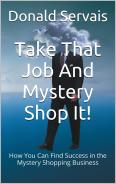
Want more help getting started? My book, Take That Job And Mystery Shop It!, walks you through finding assignments, completing shops, writing reports, and avoiding many of the mistakes new shoppers make.
Do You Have to Pay to Become a Mystery Shopper to Get Assignments?

Generally, no.
A mystery shopping company needs shoppers because its clients are paying the company to evaluate their businesses. The mystery shopping company recruits people who fit the client's requirements and assigns them to visit restaurants, apartments, car dealerships, banks, retail stores, new home builders, and many other businesses.
The shopper completes the assignment and submits a report. If everything is done correctly, the shopper gets paid according to the terms of the assignment.
I've signed up with quite a few mystery shopping companies, and I have never paid a dime to have my name added to their databases.
When I see a registration or membership fee required before I can even look for work, I move on.
There are too many legitimate companies available to spend money just for the chance to work.
Watch What You're Actually Paying For
This is where the subject gets a little confusing.
Suppose you find a mystery shopping course, book, seminar, or certification program that costs money. Does that mean it's a scam?
Of course not.
You're purchasing a product or training. You can decide whether the information is worth the price, just as you would with any other educational material.
That's very different from somebody telling you, "Pay us $75, and we'll make you a mystery shopper."
Before entering your credit card number, ask one simple question:
What am I buying?
If you're buying a clearly described course, you know what you're getting. If you're buying a book, you know you're receiving a book. If you're paying for certification through a recognized professional organization, you should be able to see what the training covers.
But if you're paying an unexplained "registration fee" for the possibility of receiving assignments later, I'd be much more cautious.
What About Mystery Shopping Certification?
Certification is another reason people sometimes get confused when asking, do you have to pay to become a mystery shopper?
The Mystery Shopping Professionals Association (MSPA) offers education and certification programs for shoppers. Those programs are optional professional development; they aren't an admission fee that everyone must pay before becoming a mystery shopper.
You don't need certification to complete your first mystery shop.
Training can still be useful. A course may teach you more about observation, reporting, ethics, or how the industry operates. It may also demonstrate to a scheduler that you've taken the time to learn more about the business.
But I wouldn't postpone mystery shopping because you don't have a certificate. I completed assignments without one, as have plenty of other shoppers.
If you're considering certification, check the MSPA's current course descriptions and prices directly before enrolling because programs and fees can change.
Be Particularly Careful with Unexpected Offers
Another situation deserves more caution.
You receive an email or text announcing that you've been "selected" to become a mystery shopper. Maybe the pay sounds fantastic. You're told that you'll make hundreds of dollars for a simple assignment, even though you never applied with the company.
Now they need money or financial information from you.
That's when I'd stop.
Mystery shopping is real, but scammers know that too. They use legitimate-sounding job descriptions because people recognize the term.
Be suspicious of an offer that asks you to pay an application fee, registration fee, starter fee, or some other charge before you've even established that you're dealing with a legitimate company.
Also be extremely careful with anyone who sends you a check and tells you to deposit it, keep part as your mystery shopping fee, and use the rest to purchase gift cards or send money somewhere. A check appearing in your bank account doesn't necessarily mean it has cleared.
Spending Money During a Shop Is Different
Here's another distinction beginners should understand.
Some legitimate assignments require you to make a purchase.
A restaurant shop, for example, may require you to order specific food. A retail assignment may require a small purchase so you can evaluate the checkout process. The mystery shopping company might reimburse all or part of that expense.
That's not the same as paying to become a shopper.
Read the assignment carefully before accepting it. Find out how much you must spend, how much will be reimbursed, what receipt you'll need, and when payment is expected.
I've seen assignments where the reimbursement was worthwhile and others where I didn't think the numbers made sense. You get better at making those decisions with experience.
You Have Plenty of Choices
One thing I've learned about this business is that you don't have to grab every opportunity.
If a company wants money simply to register you, look elsewhere. If an assignment requires more spending than you're comfortable with, don't take it. If something about an offer doesn't make sense, investigate before proceeding.
So, do you have to pay to become a mystery shopper? You shouldn't have to pay a mystery shopping company merely to get your name into its shopper database and qualify for assignments.
Optional training, books, courses, and certifications are separate decisions. So are purchases required as part of legitimate assignments.
Know what you're paying for before reaching for your wallet.
A mystery shopper is supposed to be paid for doing the work—not charged for the opportunity to do it.
Your Best Next Step
If this Do You Have to Pay to Become a Mystery Shopper article helped, read these next:
- Mystery Shopping Scams: Red Flags Every Beginner Should Know
- Is Mystery Shopping Legit? What Beginners Need to Know
- How to Start Mystery Shopping as a Complete Beginner
- Mystery Shopping for Beginners
About the Author
I'm Mystery Don, and I've completed mystery shopping assignments for restaurants, hotels, apartment communities, automobile dealerships, and new home builders.
I created this website to help people avoid the mistakes I've seen—and to show new shoppers how legitimate mystery shopping really works.
My book Take That Job And Mystery Shop It! lists over 150 mystery shopping companies to contact. I offer beginner-friendly tips and honest guidance without hype.
We're always looking for new faces to visit different places.
Buy the Kindle eBook (instant download)
Buy the Paperback (best field manual)
Buy the Hardcover (durable reference copy)