Grocery Store Mystery Shopping
for Beginners
Grocery stores were one of the first places where I practiced my observation skills before I started mystery shopping. I already shopped there regularly, so it seemed like a good place to see how much I could remember from visit.
That's one reason grocery store mystery shopping for beginners makes sense. You're working in a familiar environment. You already know how customers normally move through a grocery store, interact with employees, and go through checkout. The difference is that now you're being paid to pay attention.
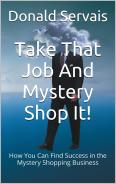
Want more help getting started? My book, Take That Job And Mystery Shop It!, walks you through finding assignments, completing shops, writing reports, and avoiding many of the mistakes new shoppers make.
What Does a Grocery Store Mystery Shopper Do?
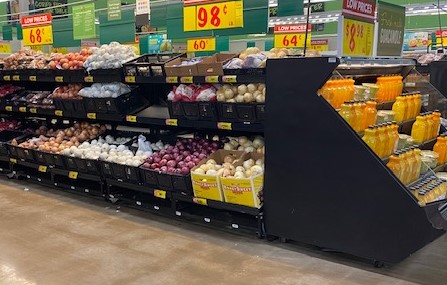
Many assignments require a mystery shopper to visit several departments and interact with an employee. There are many other assignments where you act more as a vendor checking prices on items on display. These assignments are actually audits.
I've had many assignments where I had to visit the produce, meat, deli, and bakery departments. I had to ask an employee a question and report how they responded. Another shop may concentrate more heavily on store cleanliness or checkout service.
This is why you should always read the instructions before leaving home. Don't assume that because you've completed one grocery store assignment, the next one will be the same.
You may also need employee names. Get into the habit of looking for nametags when you interact with someone. If the employee isn't wearing one, the report may ask for a description instead.
Grocery Store Mystery Shopping for Beginners Takes Practice
Before I completed my first grocery store assignment, I practiced.
I walked through a grocery store and tried to observe things I normally wouldn't think about. Was the store clean? Were the shelves organized? Did employees acknowledge customers? How long was the checkout line? Was the cashier friendly?
I wasn't trying to remember 50 things. I wanted to know whether I could shop normally while remembering a handful of details.
I could.
When I eventually took on real assignments, I discovered it was more involved than my practice trip. Still, that little test run helped. I already knew I could pay attention without walking around looking like I was inspecting the place.
That's important. You're supposed to look like an ordinary customer because that's what you are portraying.
Don't Try to Remember Everything
A common mistake for a beginner is trying to memorize the entire questionnaire.
You don't need to.
Read the instructions several times before the assignment and concentrate on the things you must observe while you're inside the store. Some information can be checked afterward.
If the assignment allows notes, you can discreetly jot down information when appropriate. Your phone can also be useful if the instructions permit it. A person looking at a phone in a grocery store doesn't attract much attention.
Don't invent information if you forget something. Report what you actually observed.
Purchases and Reimbursements
Many grocery assignments I've completed required a purchase and included a small reimbursement. Reimbursements were usually between $10 and $15.
For me, I didn't worry about keeping my entire grocery bill under the reimbursement amount. I needed groceries anyway. If you make any money on these assignments, it's going to be very little.
That can make these assignments worthwhile when the store fits into your normal routine.
One item I strongly recommend is to keep good records of your mystery shopping income and legitimate business expenses. Tax rules depend on your circumstances, so get advice from a qualified tax professional rather than assuming a particular expense is deductible.
The Report Is Part of the Assignment
The shop isn't finished when you leave the grocery store.
You may need to answer questions about each department you visited, employees you encountered, cleanliness, displays, checkout, and other details. Some reports require mostly yes-or-no questions. Others require written explanations.
Complete the report as soon as practical while the visit is fresh in your mind. Waiting until the next day makes it much easier to forget names, descriptions, conversations, and other small details.
If reporting concerns you, How Mystery Shopping Reports Work explains what you can expect.
Is Grocery Store Mystery Shopping a Good First Assignment?
I think it can be.
The surroundings are familiar, you can usually move through the store naturally, and you may be able to combine the assignment with grocery shopping you were already planning to do.
Grocery store mystery shopping for beginners still requires you to follow instructions, remember details, meet deadlines, save receipts when required, and write an accurate report.
Start with a manageable assignment. Read everything before you go. Pay attention without making yourself conspicuous. Then get the report completed while you still remember the visit.
After you've done a few, you will likely find that observing the details becomes much more natural.
About the Author
I'm Mystery Don, and I've completed mystery shopping assignments for restaurants, hotels, apartment communities, automobile dealerships, and new home builders.
I created this website to help people avoid the mistakes I've seen—and to show new shoppers how legitimate mystery shopping really works.
My book Take That Job And Mystery Shop It! lists over 150 mystery shopping companies to contact. I offer beginner-friendly tips and honest guidance without hype.
We're always looking for new faces to visit different places.
Buy the Kindle eBook (instant download)
Buy the Paperback (best field manual)
Buy the Hardcover (durable reference copy)