How to Read a Mystery Shopping Assignment More Carefully
How to Read a Mystery Shopping Assignment More Carefully is a skill that saves beginners time.
A lot of early mistakes do not happen because someone is careless. They happen because the shopper thought they understood the assignment, but missed a small detail that mattered.
You may be wondering:
- What should I pay attention to first?
- What details do beginners usually miss?
- How do I know what actually matters?
- How do I avoid reading too fast and assuming too much?
Those are smart questions.
You do not need to read an assignment perfectly. You do need to read it slowly enough to catch what matters.
If you’re still getting oriented, start with the Mystery Shopping for Beginners for the bigger picture.
Why Assignment Reading Matters So Much

A mystery shopping assignment usually tells you everything you need to do well.
That can include:
- where to go
- when to go
- what to observe
- what to ask
- whether a purchase is required
- what proof to keep
- what the report will expect later
If you miss one important instruction, the rest of the shop can feel harder than it needed to be.
That is why careful reading is not a side detail. It is part of the job.
What Beginners Often Miss
Beginners often skim past details like:
- exact time windows
- whether a purchase is required
- what scenario to use
- what question must be asked
- whether a receipt is required
- how detailed the report will be
- whether timing needs to be recorded
These details can look small on the page, but they often shape the whole assignment.
Read for Action, Not Just Information
A useful mindset is this:
Do not only ask, “What does this assignment say?”
Also ask:
- What will I actually need to do?
- What will I need to remember in the moment?
- What will I need later for the report?
- What could go wrong if I forget this part?
That shift helps you read more actively.
Instead of just absorbing information, you start translating the instructions into a real plan.
How to Read a Mystery Shopping Assignment More Carefully Before the Shop
Before the shop, it helps to read the assignment in layers.
First pass
Read straight through so you understand the overall assignment.
Second pass
Look for the details that will matter most during the shop, such as:
Third pass
- timing
- required questions
- purchase instructions
- receipt requirements
- what to observe
Think ahead to the report and ask:
- What details will I need to write down later?
- What would be easy to forget?
- What should I notice on purpose?
This is one of the simplest ways to practice How to Read a Mystery Shopping Assignment More Carefully without making the process feel overly complicated.
Watch for Words That Signal Importance
Some instructions quietly tell you what matters most.
Pay special attention to words like:
- must
- required
- do not
- be sure to
- only
- note carefully
- keep
- submit by
These words often point to the parts of the assignment that are least flexible.
If you skim those, you are more likely to create avoidable problems later.
Turn Instructions Into a Simple Checklist
One of the easiest ways to reduce confusion is to turn the assignment into a short checklist.
For example:
- arrive between 2:00 and 4:00
- ask about product X
- notice whether staff suggest an add-on
- keep receipt
- note greeting time
- submit report same day
You do not need to rewrite the whole assignment.
You just need to pull out the details that are easiest to miss in real time.
Do Not Assume Similar Shops Are Identical
A common mistake is assuming:
> “I’ve done something like this before, so I already know how this one works.”
That can lead to missing small differences.
Even similar assignments may change:
- the scenario
- the timing requirements
- the reporting detail
- the purchase instructions
- what the client wants evaluated
That is another reason How to Read a Mystery Shopping Assignment More Carefully matters even after you have some experience.
Familiarity can make people skim. Skimming can create mistakes.
Think Ahead to the Moment You’ll Be In
A helpful question is:
> “What will this feel like while I’m actually doing it?”
That helps you catch practical issues like:
- where you may need the receipt
- when you may need to remember timing
- when you need to ask a question naturally
- which details may disappear fast afterward
When you can picture the assignment in real life, the instructions usually become much easier to follow.
Slower Reading Can Save You Time
It may feel faster to skim.
But a rushed reading often leads to:
- missed details
- awkward surprises
- weaker notes
- more stressful reports
- time wasted trying to fix preventable mistakes
A slower read at the start can save you much more time later.
This is one of the quiet benefits of How to Read a Mystery Shopping Assignment More Carefully: less cleanup, less second-guessing, and fewer avoidable errors.
What to Do If the Assignment Still Feels Confusing
If you finish reading and still feel unsure, that matters.
Confusion can be a signal that:
- the instructions are unclear
- the assignment is not a good beginner fit
- you need to slow down and reread
- you should choose a simpler assignment first
You do not need to force yourself through a shop that already feels muddy before it begins.
Clarity is a strong sign of a better beginner assignment.
A Simple Reading Habit That Helps
Try this habit:
- read the full assignment once
- highlight the must-do parts
- make a short checklist
- picture the shop in real life
- review it one more time before you go
That is enough to help many beginners feel much more prepared.
You Do Not Need to Rush the Instructions
If you tend to rush because you want to “just get going,” this is a good place to slow yourself down.
Reading carefully is not wasted time.
It is part of doing the assignment well.
A calmer start often creates a much easier shop.
Your Best Next Step
If this article helped, read these next:
- How to Feel Less Nervous During a Mystery Shop
- How to Take Better Notes During a Mystery Shop
- What to Expect from Your First Mystery Shop
- Mystery Shopping for Beginners
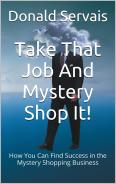
If you want beginner-friendly tips and honest guidance without hype, my book, "Take That Job And Mystery Shop It!" will give you the information you need to start. I'll also give you a list of over 150 mystery shopping companies to contact.
The mystery shopping business is always looking for new faces to visit different places.
Buy the Kindle eBook (instant download)
Buy the Paperback (best field manual)
Buy the Hardcover (durable reference copy)