Staying Natural on Video Shops: How to Look Like a Normal Customer (and Still Do the Job Right)
One of the biggest fears shoppers have about video mystery shopping is, "What if they know I'm a mystery shopper?"
After completing many video shops over the years, I've found that most people aren't "caught" because of hidden cameras or special equipment. They're noticed because they're nervous. Fortunately, that's something you can control.
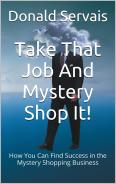
Want more help getting started? My book, Take That Job And Mystery Shop It!, walks you through finding assignments, completing shops, writing reports, and avoiding many of the mistakes new shoppers make.
Why being “natural” matters on video assignments

Video shops depend on realism. If staff sense something unusual, they may change their behavior—becoming extra cautious, extra scripted, or less typical. That can make the shop less useful for the client, and it can create problems for you (questions, refusals, or a stressful interaction). In short, calm, ordinary behavior protects:
- the quality of the customer experience you’re measuring
- your ability to complete required steps without drawing attention
- the clarity of the evidence you submit
Staying natural on video shops: a simple pre-visit routine (3 minutes)
Use this quick reset before you walk in:
- Review the “must-do” items once (not repeatedly).
Write 3–5 bullets in your notes app: what you must ask, do, and capture. - Decide your opening move.
Example: “Walk in, glance at menu/signage, step to the counter.” - Pick one calm focus.
For many shops, it’s timing + one required question + receipt. Keep it simple. - Slow your pace down slightly.
One mistake I see fairly often is shoppers rushing through the visit. Real customers don't usually sprint from one step to the next. They pause, look around, and make a decision. Slowing down just a little makes your visit feel much more natural.
What makes shoppers look suspicious (and how to avoid it)
I've watched new shoppers worry so much about remembering every requirement that they forget to simply act like a customer. Ironically, trying too hard to avoid attention is often what attracts it.
1) Repeated fidgeting or adjusting
Touching the same item over and over—checking pockets, shifting clothing, repositioning personal items—draws attention. The fix is boring but effective: set yourself up before you enter, then leave things alone.
2) Turning the visit into an interview
Some shoppers fire questions too quickly or too formally. Instead, ask required questions in a normal sequence, with normal pauses. If you need to ask about a product or service, keep the tone casual and customer-like.
3) Trying to remember everything at once
When you're trying to remember ten different things at once, it usually shows. You may not realize it, but people often look tense or distracted when their brain is overloaded.
4) Watching staff too intensely
A normal customer isn’t scanning everything like an auditor. You can observe what you need to observe, but do it lightly—notice key points, then move on.
How to ask required questions without sounding scripted
If the assignment requires certain questions, deliver them naturally:
- Use soft lead-ins: “Quick question…” or “Can you tell me…”
- Ask one question, respond, then continue like a customer.
- Avoid stacking five questions back-to-back.
If the script feels awkward, anchor it to a real customer reason. For example, instead of sounding like a checklist, connect it to a decision: “I’m deciding between these two options—what’s the difference?”
Notes and memory: the safest way to capture details without looking odd
You don’t need to write a paragraph while standing at the counter. Instead:
- Before entering: open your notes template (or keep it ready).
- During natural pauses: jot one or two words if needed.
- After leaving (safely parked): do a 60-second recap—times, key behaviors, staff name/description, and one cleanliness detail.
This approach keeps you present during the interaction and gives you accurate details for the report.
Choose “low-drama” conditions when you can
When the assignment window allows flexibility, set yourself up for a calmer visit:
- go slightly off-peak (less rush, fewer chaotic variables)
- avoid arriving rushed or late
- keep your order/request simple if you’re allowed to choose
- don’t combine a high-pressure personal errand with a high-detail shop
Small choices like these make staying natural much easier.
What to do if someone questions you
If a staff member asks something unexpected, the best move is to stay polite and de-escalate. Don’t argue. Don’t lecture. Don’t turn it into a “rights” moment. Your priority is safety and compliance. Follow the assignment guidance, and if you can’t complete the shop as written, stop and contact the scheduler afterward with a clear, factual note about what happened.
Practice drill: make natural behavior automatic
If video shops make you nervous, practice on regular errands. Here's an exercise I recommend to new shoppers.
The next time you're picking up groceries or grabbing lunch, pretend it's a mystery shop. Notice how quickly you were greeted, whether the business looked clean, and one thing the employee did well. After you get back to your car, write everything down from memory.
It only takes a minute, but it develops the observation skills you'll use on actual assignments.
After completing many video mystery shops over the years, I've learned there's really no magic trick to looking natural. Preparation beats acting every time.
If you know your assignment before you walk in, ask your questions like a normal customer, and take good notes afterward, most visits become surprisingly routine. The less you try to "look like a mystery shopper," the less anyone notices you.
Remember that every mystery shopping company has different requirements. Always read your shop guidelines carefully and follow all company instructions, along with any applicable local laws and business policies. Good preparation is just as important as good observation.

About the Author
I'm Mystery Don, and I've completed mystery shopping assignments for restaurants, hotels, apartment communities, automobile dealerships, and new home builders.
I created this website to help people avoid the mistakes I've seen—and to show new shoppers how legitimate mystery shopping really works.
My book Take That Job And Mystery Shop It! lists over 150 mystery shopping companies to contact. I offer beginner-friendly tips and honest guidance without hype.
We're always looking for new faces to visit different places.
Buy the Kindle eBook (instant download)
Buy the Paperback (best field manual)
Buy the Hardcover (durable reference copy)