What Legitimate Shops Never Do
Mystery shopping is a legitimate business, but unfortunately, scammers know that people are attracted to opportunities to make extra money.
They may use the name of a real mystery shopping company, send official-looking emails, or promise unusually high payments for easy work. New shoppers are especially vulnerable because they may not know how the industry normally operates.
One of the best ways to protect yourself is to understand what legitimate shops never do.
Most mystery shopping assignments are not complicated. You visit a restaurant, retail store, bank, apartment complex, automobile dealership, or another business. You follow specific instructions, evaluate the customer service, and complete a report.
Video mystery shopping works similarly, except an approved recording is part of the assignment.
None of this should involve mysterious financial transactions or promises of huge amounts of money for very little work.
Want more help getting started? My book, Take That Job And Mystery Shop It!, walks you through finding assignments, completing shops, writing reports, and avoiding many of the mistakes new shoppers make.
What Legitimate Shops Never Do with Your Money

One of the biggest warning signs is receiving a large check before you've completed an assignment.
A scammer may send you a check for $2,000 or $3,000 and tell you to deposit it into your bank account. You're instructed to keep a few hundred dollars as your mystery shopping fee and use the rest to purchase gift cards, send money somewhere, or complete another financial transaction.
The check may initially appear in your account.
That doesn't mean it cleared.
Eventually, the bank discovers the check is fraudulent. By then, you've already spent or transferred the money. The scammer disappears, and you're responsible for the loss.
That's not how normal mystery shopping works.
Legitimate Companies Don't Guarantee Huge Paychecks
Mystery shopping can provide useful extra income, but be skeptical of advertisements promising hundreds of dollars for a simple 15-minute retail visit.
Most written shops pay modest fees based on the amount of work involved. More complicated assignments may pay considerably more.
Video shops can also pay higher fees because they require specialized equipment, additional training, and more responsibility.
The payment should make sense for the assignment.
If someone offers you $500 to walk into a store and ask two questions, start asking some questions of your own.
You Shouldn't Have to Pay for an Assignment
Another important example of what legitimate shops never do is require you to pay a company simply to receive a mystery shopping assignment.
You don't buy the job.
There are legitimate training programs, professional organizations, software products, and other optional resources that shoppers may choose to purchase. That's different from someone saying, "Send us $99 and we'll give you a mystery shop."
A legitimate mystery shopping company is being paid by its client to conduct research. The company then pays shoppers to perform the assignments.
Be Careful with Gift Cards and Money Transfers
Gift cards are popular with scammers because they're difficult to recover after someone obtains the card numbers.
If an unsolicited mystery shopping offer instructs you to purchase hundreds or thousands of dollars in gift cards and immediately send photographs of the numbers, stop.
The same caution applies to wire transfers, cryptocurrency, or instructions to move large amounts of money through your personal bank account.
I've done many mystery shopping assignments that involve making purchases. You pay for your meals at restaurant shops. You may have to make a purchase at a retail location. Legitimate companies will reimburse you for an approved transaction.
Those requirements should be clearly explained in the assignment instructions.
Legitimate Shops Have Instructions
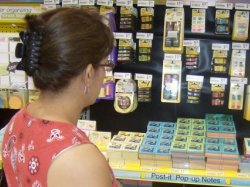
A real assignment should tell you what you're evaluating.
You may need to arrive during a certain time period, ask a specific question, make a purchase, obtain a receipt, observe cleanliness, or evaluate an employee's sales presentation.
Video assignments should include additional instructions concerning the recording and submission requirements.
Read everything before beginning.
If someone contacts you unexpectedly with a vague offer and pressures you to act immediately, investigate before providing information.
Verify the Mystery Shopping Company
Scammers sometimes impersonate legitimate companies.
An email containing the name of a real mystery shopping provider doesn't prove it came from that company. Look carefully at the sender's email address and avoid clicking questionable links.
Go directly to the mystery shopping company's official website and verify the opportunity there. If you're still uncertain, contact the company using information from its official site rather than a phone number supplied in a suspicious message.
Never provide passwords or unnecessary banking information because somebody claims to be a scheduler.
Don't Let Excitement Override Common Sense
Landing your first mystery shopping assignment can be exciting. That's exactly why scammers target beginners.
Slow down.
Read the instructions. Research the company. Understand how much you're being paid and when payment will arrive. Keep records of the assignments you complete.
Knowing what legitimate shops never do makes suspicious offers easier to recognize.
Remember that real mystery shopping isn't a get-rich-quick opportunity. It takes time to succeed. You perform an assignment, provide accurate observations, submit a report, and receive payment according to the company's established procedures.
If an opportunity involves an enormous check, guaranteed easy money, unexplained fees, gift-card numbers, or pressure to move money quickly, don't let the words "mystery shopping" convince you it's legitimate.
Sometimes the smartest mystery shop is the one you never accept.
About the Author
I'm Mystery Don, and I've completed mystery shopping assignments for restaurants, hotels, apartment communities, automobile dealerships, and new home builders.
I created this website to help people avoid the mistakes I've seen—and to show new shoppers how legitimate mystery shopping really works.
My book Take That Job And Mystery Shop It! lists over 150 mystery shopping companies to contact. I offer beginner-friendly tips and honest guidance without hype.
We're always looking for new faces to visit different places.
Buy the Kindle eBook (instant download)
Buy the Paperback (best field manual)
Buy the Hardcover (durable reference copy)