Mystery Shopping for Beginners:
What It Is and How to Start
If you’ve been looking for a side hustle and keep coming across mystery shopping, you may be wondering two things right away:
Is this actually legit?
And just as important:
Is this something a normal beginner can really do?
Those are fair questions.
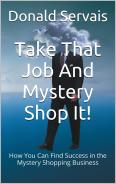
Buy the Kindle eBook (instant download)
Buy the Paperback (best field manual)
Buy the Hardcover (durable reference copy)

A lot of people get curious about mystery shopping, then end up more confused than when they started. One website makes it sound like easy money. Another makes it sound complicated. And somewhere in the middle are the scammy offers that make everything feel a little suspicious.
So let’s clear the air.
Mystery shopping is real.
But it’s also often misunderstood.
If you’re brand new, you do not need insider knowledge or special experience to start learning about it. You just need clear information, realistic expectations, and a safe place to begin.
What Is Mystery Shopping?
Mystery shopping is a type of market research.
A business wants to know what the customer experience is really like, so it hires someone to act like a regular customer and report back afterward.
That report might cover things like:
- whether an employee greeted you
- how clean the location was
- how long the service took
- whether staff followed company procedures
- how the overall experience felt
In other words, a mystery shopper is not just “shopping.” They’re observing, paying attention, and documenting what happened.
Mystery shopping can happen in:
- retail stores
- restaurants
- banks
- apartment communities
- new home builders
- phone calls
- websites
- many other service-based businesses
So yes, it’s real. But no, it’s not usually what people imagine when they first hear the phrase.
How Does Mystery Shopping Work?
In most cases, businesses do not hire random individuals directly.
Instead, they work with mystery shopping companies or customer experience research companies. Those companies:
- assign the shops
- provide instructions
- collect the reports
- and pay the shoppers
A typical mystery shopping assignment may ask you to:
- visit a business
- ask specific questions
- observe certain details
- sometimes make a purchase
- submit a report by a deadline
For example, you might be asked to visit a restaurant and note:
- how long it took to be greeted
- whether the server suggested an item
- whether the food area looked clean
- how the staff treated you
That’s why mystery shopping is less about “getting paid to shop” and more about following directions carefully and reporting clearly.
Is Mystery Shopping Legit?
Yes, mystery shopping is legitimate. I have been doing many types of assignments since 2006.
It has been used for years by companies that want feedback on customer service, employee performance, and overall experience.
But here’s where mystery shopping for beginners get tripped up:
Real mystery shopping exists. Scams also exist.
That’s why so many people feel torn. They hear that it’s real, but they also hear horror stories about fake checks, bogus fees, and too-good-to-be-true offers.
Both things can be true:
- mystery shopping is a real industry
- some people use its name to run scams
That’s why your caution is not a problem. It’s an asset.
Mystery Don podcast with Jason Meza with the Better Business Bureau about scams in mystery shopping.
What Mystery Shopping Is Not
Let’s make this part plain, because it matters.
Mystery shopping is not:
- a get-rich-quick plan
- instant money
- effortless income
- a magical side hustle with no learning curve
- a reason to send money to random companies
And for most mystery shopping for beginners, it is not a full-time income replacement. At least, not in the beginning. There are many people who do mystery shopping full-time and make a good living. That comes after some experience.
That may sound less exciting than the hype you see online, but honest expectations are what help you make good decisions.
Sometimes the biggest relief for beginners is hearing the truth:
this can be a legitimate side hustle, but it’s still work.
Why So Many Beginners Feel Stuck
A lot of mystery shopping for beginners think their problem is lack of information.
Usually, that’s not it.
The real problem is that there’s too much information — and not all of it feels trustworthy.
You may be wondering:
- Which sites are real?
- Do I need experience?
- Am I supposed to pay for anything?
- Is this worth my time?
- What if I sign up for the wrong thing?
That hesitation is common.
Many people spend hours reading, comparing, and second-guessing because they’re trying not to waste time or feel foolish. If that sounds familiar, you’re not behind. You’re being careful.
And in this niche, careful is better than rushed.
What Beginners Usually Do as Mystery Shoppers
The exact assignments vary, but beginners are often doing simple, structured tasks.
That could include:
- visiting a location and observing service
- asking about a product or promotion
- taking note of how employees respond
- making a small required purchase
- completing a report afterward
The real skill is not being flashy. It’s being:
- observant
- dependable
- detail-oriented
- able to follow instructions
- willing to finish the paperwork part
That’s good news if you’re new, because it means mystery shopping is not reserved for some special type of insider.
Do You Need Experience to Start?
No, not usually.
Many people start mystery shopping with no prior experience at all.
What matters more is whether you can:
- pay attention
- follow directions
- meet deadlines
- write clear reports
That said, beginners do better when they start with realistic expectations. You do not need to know everything on day one. But you do need to understand the basics before jumping in.
What to Watch Out For
Because mystery shopping is real, scammers sometimes borrow the language of real opportunities to make fake ones sound believable.
Be careful if you see offers that:
- ask for money upfront
- promise unusually high earnings with little explanation
- pressure you to act fast
- stay vague about the assignment
- ask for sensitive financial information too early
- sound more like hype than explanation
A legitimate opportunity should make things clearer, not murkier.
If something leaves you feeling rushed, confused, or overly impressed without actually answering your questions, step back.
That instinct may save you time, money, and frustration.
How Much Can Beginners Realistically Earn?
For most people, mystery shopping is best treated as a way to earn extra income.
Not every assignment pays the same. Your earnings can depend on:
- where you live
- what kinds of shops are available
- how often you work
- how much time each assignment requires
- whether reimbursement is involved
Some opportunities may feel worthwhile. Some may not.
That’s normal.
The point is not to expect every shop to be amazing. The point is to understand what the opportunity really is and decide whether it fits your goals.
If what you want is a modest, flexible side-income option, mystery shopping may be worth exploring. If you want a fast path to major income, it may not be the right fit.
Is Mystery Shopping Right for You?
Mystery shopping may be a good fit if you:
- want flexible side income
- like structured tasks
- notice details others miss
- can follow written instructions
- don’t mind writing reports
It may be less appealing if you:
- want instant results
- dislike detail work
- do not want to deal with forms or deadlines
- are hoping for a high-income shortcut
And that’s okay.
Not every side hustle is for every person. The goal is not to force it. The goal is to understand it well enough to decide wisely.
Mystery Shopping for Beginners Best First Step
If you’re brand new, the smartest move is not to sign up for everything at once.
It’s to get grounded first.
Start by learning: 1. what mystery shopping really is 2. how legitimate assignments work 3. what scams look like 4. what realistic beginner expectations should be
Once you understand those four things, the next steps become much easier.
Clarity first. Action second.
That order will save you a lot of frustration.
Where to Go Next
Buy the Kindle eBook (instant download)
Buy the Paperback (best field manual)
Buy the Hardcover (durable reference copy)
If mystery shopping feels more real — and less confusing — now, here are the best next steps:
- Mystery Shopping Scams: Red Flags Every Beginner Should Know
- How Much Do Mystery Shoppers Really Make?
- Mystery Shopping for Beginners
If you’d rather get beginner-friendly help by email, you can also sign up for practical tips, safer first steps, and honest guidance as you learn the ropes.