Mystery Shopping Mistakes
Beginners Can Avoid
I made a few mistakes when I started mystery shopping.
Fortunately, most mystery shopping mistakes beginners can avoid aren't difficult to correct. A little preparation before accepting an assignment can save you from losing money, having a report rejected, or spending far more time on a shop than you expected.
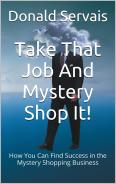
Want more help getting started? My book, Take That Job And Mystery Shop It!, walks you through finding assignments, completing shops, writing reports, and avoiding many of the mistakes new shoppers make.
Read the Instructions Before You Go

This sounds obvious, but it's probably one of the easiest mistakes to make.
Every mystery shop is different. You may have to arrive during a particular time period, ask an employee a specific question, visit several departments, order a particular item, or remember an employee's name.
Read the instructions carefully before leaving home. Then read them again.
I've done enough mystery shops to know that you don't want to be standing inside a business suddenly wondering, "Was I supposed to ask about that?"
You also don't want to improvise. The client is paying for specific information. Give them what they asked for.
Don't Start with a Complicated Assignment
There's no prize for choosing the hardest mystery shop you can find.
Your first few assignments should give you an opportunity to learn how the process works. A convenience store, grocery store, fast-food restaurant, or another relatively simple assignment can be a good place to begin.
Once you've completed several reports and become comfortable remembering details, you can try more involved assignments.
I've done video shops that required considerably more preparation and observation. I wouldn't recommend beginning with one of those.
Start small and work your way up.
Look at More Than the Pay
A $30 assignment isn't necessarily better than a $15 assignment.
How far do you have to drive? How long will you be at the location? Do you have to spend your own money? How much will be reimbursed? How complicated is the report?
I always look at the entire assignment.
A lower-paying shop five minutes from home might make more sense than a higher-paying assignment requiring an hour of driving. Better yet, look for shops along a route you're already traveling.
Your time has value.
Don't Forget About the Report
New shoppers sometimes concentrate so much on performing the assignment that they underestimate what happens afterward.
The report is part of the job.
A 15-minute visit could require considerably more time if the questionnaire contains several narratives. Read the reporting requirements before accepting the assignment whenever possible.
After the shop, complete your report while the experience is still fresh in your mind. Employee names, descriptions, times, conversations, and other details become harder to remember the longer you wait.
And don't make something up because you forgot it. An honest report is more useful than an invented detail.
Learn to Recognize a Scam
This is one beginner mistake that can cost you much more than a rejected report.
Mystery shopping is legitimate. Unfortunately, scammers know that and use the mystery shopping name to steal money.
One common scam involves receiving a large check with instructions to deposit it, purchase gift cards, or send money somewhere, and keep part of the check as your payment.
The check is fake.
Your bank may initially make the funds available, but that doesn't mean the check is legitimate. When the fraud is discovered, you can be responsible for the money.
A legitimate mystery shopping company isn't going to unexpectedly send you a check for thousands of dollars before you've performed an assignment and instruct you to send the money somewhere else.
If scam awareness is your biggest concern, read Mystery Shopping Scams: Red Flags Every Beginner Should Know next.
Learn how legitimate mystery shopping companies operate before providing personal information or accepting unusual offers.
Don't Sign Up for Everything at Once
Eventually, you may register with many mystery shopping companies. That's how you gain access to a larger selection of assignments.
You don't have to do it all in one afternoon.
Start with a few legitimate companies and learn how their systems work. See what kinds of assignments they offer in your area. Complete a few shops and find out which assignments you enjoy.
You can always add more companies later.
Don't Accept an Assignment You Can't Complete
Schedulers need dependable shoppers.
If you accept a shop, you're making a commitment to complete it according to the instructions and meet the reporting deadline.
Occasionally, emergencies come up. However, repeatedly canceling assignments will quickly get your name removed from a mystery shopping company database.
Check your schedule before clicking the accept button.
You're Going to Make Some Mistakes
I made mistakes when I started, and you'll probably make a few, too.
Maybe you'll forget an employee's name. You might overlook a question in the instructions or discover that a report takes much longer than expected.
Learn from it.
The most important mystery shopping mistakes beginners can avoid usually come down to a few basics: don't rush, don't ignore the instructions, don't accept every assignment you see, and don't let the promise of easy money override your common sense.
Mystery shopping gets easier with experience. After you've completed a number of assignments, you'll know what to look for, which shops are worth your time, and which ones you'd rather leave for somebody else.

About the Author
I'm Mystery Don, and I've completed mystery shopping assignments for restaurants, hotels, apartment communities, automobile dealerships, and new home builders.
I created this website to help people avoid the mistakes I've seen—and to show new shoppers how legitimate mystery shopping really works.
My book Take That Job And Mystery Shop It! lists over 150 mystery shopping companies to contact. I offer beginner-friendly tips and honest guidance without hype.
We're always looking for new faces to visit different places.
Buy the Kindle eBook (instant download)
Buy the Paperback (best field manual)
Buy the Hardcover (durable reference copy)