Mystery Shopping Email Red Flags: How to Spot Scam Offers
Before You Reply
Mystery shopping email red flags are usually obvious once you know what to look for.
Scammers count on you skimming an email, seeing a familiar phrase like “secret shopper,” and reacting quickly—especially if the message promises easy money. This guide gives you a simple, repeatable way to screen emails so you can keep the legit opportunities and toss the risky ones.
Common mystery shopping email red flags (with quick fixes)

1) The sender's name looks legitimate, but the email address doesn’t match.
Red flag: If you see a mystery shopping company name displayed, but the actual address is random or worse yet, a free email account. No legitimate company uses a Gmail or a Yahoo account to communicate with shoppers.
Fix: Do not respond to any emails from a free personal account. You can click or tap the sender to reveal the real address and domain.
2) The offer is unusually high pay for a simple task
Red flag: There are advertisements claiming you can make $350 per hour through mystery shopping.
Fix: The majority of mystery shopping assignments are paid per assignment, not per hour. There are some audits where you do a customer count of people entering a business. They don't pay $350 per hour. Ignore these claims.
3) Urgency and pressure tactics
Red flag: Mystery shopping companies do not pressure people into joining their databases. They have a vetting process before adding just anyone.
Fix: Legit schedulers may have deadlines, but they don’t push panic. They will not give you a "final notice" to join. Slow down and verify.
4) The assignment involves moving money to an unknown third party
Red flag: Scam artists send checks worth thousands of dollars to people who responded to an ad about making money through mystery shopping. (The victim sent the scammer a mailing address in one of their communiques.) The scammer wants the victim to deposit the check, wire funds, or buy gift cards and send the codes.
Fix: This is the granddaddy of all mystery shopping email red flags. No legitimate mystery shopping company is going to send you a check before doing an assignment. The checks are fake and will bounce if you cash them. Never wire money or send gift card codes to an unknown third party.
5) Messages that have poor grammar, punctuation, and spelling
Red flag: Scam artists (especially those outside the United States) don't have the best English standards. There are misspelled words, poor punctuation, and awkward phrasing all over the advertisement.
Fix: Do not respond to the ad. Mystery shopping companies want people who can write reports with proper English. They certainly wouldn't send out anything that is poorly written.
6) They ask for sensitive information before you’ve done any work
Red flag: Scam artists ask for personal information such as Social Security numbers or bank details via email. Early demands are a strong mystery shopping email red flags signal.
Fix: This is something a legitimate mystery shopping company will never do. Legitimate companies will need your SS number after you complete an assignment for them. They will also ask where to send the money you earn to a bank or PayPal account. They don't need that information before your first assignment.
Creating a Shopper Profile explains what personal information legitimate mystery shopping companies ask for in their applications.
Other mystery shopping email red flags include vague information about an assignment, a suspicious attachment, and a refusal to direct you to an encrypted website.
The scam artist will discourage you from asking questions and refuse to provide proof of their legitimacy.
Mystery Shopping Email Red Flags: A 60-Second Verification Checklist
Use this every time before you respond:
- Check the sender domain (not just the display name).
- Do a Google search on the company name + “mystery shopping” + “scam” and look for patterns.
- Find contact info from the company’s real website (not from the email).
- Confirm there’s no money-handling requirement (checks, wires, gift cards).
- Only accept assignments with clear written instructions (task, deadline, reporting requirements, pay timeline).
If two or more checks fail, treat it as a no.
I want to emphasize that you do not, and should not, have to pay any money to be on a mystery shopping company database of shoppers. The mystery shopping company pays you after you complete an assignment.
Bottom line
Most scam attempts are caught by the same handful of mystery shopping email red flags: urgency, vague details, mismatched sender info, and anything involving money handling. Run the checklist, verify independently, and protect your time and identity.
If this article "Apartment Mystery Shopping for Beginners" helped, read these next:
- Mystery Shopping Scams: Red Flags Every Beginner Should Know
- Is Mystery Shopping Legit? What Beginners Need to Know
- How Scammers Impersonate Brands
- Mystery Shopping for Beginners
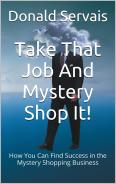
If you want beginner-friendly tips and honest guidance without hype, my book, "Take That Job And Mystery Shop It!" will give you the information you need to start. I'll also give you a list of over 150 mystery shopping companies to contact.
The mystery shopping business is always looking for new faces to visit different places.
Buy the Kindle eBook (instant download)
Buy the Paperback (best field manual)
Buy the Hardcover (durable reference copy)